

Croton ‘Mammy’ (Codiaeum variegatum)
Price range: $9.50 through $44.00
Croton ‘Mammy’ (Codiaeum variegatum ‘Mammy’) is a colorful evergreen tropical shrub with narrow, twisted leaves in shades of green, yellow, orange, and red. Typically growing 3–5 feet tall and 2–4 feet wide, it performs in full sun to partial shade and well-drained soil. Suitable for tropical borders, foundation plantings, mass plantings, and containers. Frost-sensitive and harmful if ingested.
Description
Croton ‘Mammy’ (Codiaeum variegatum)
Croton ‘Mammy’ (Codiaeum variegatum ‘Mammy’) is a tropical evergreen shrub distinguished by narrow, twisted leaves in shades of green, yellow, orange, and red. Its curled foliage creates a dense, textured appearance that differs from the broader leaves of many other croton varieties.
Commonly growing approximately 3–5 feet tall and 2–4 feet wide, ‘Mammy’ is suitable for tropical landscape beds, foundation plantings, informal borders, grouped plantings, and containers. It performs best in warm conditions with bright light, well-drained soil, and sufficient moisture during establishment.
For additional information about croton varieties, sunlight requirements, planting locations, and care in Florida landscapes, see Pennate’s Crotons in Florida: Care, Varieties, Placement & Growing Guide.
Plant Highlights
- Botanical name: Codiaeum variegatum ‘Mammy’
- Common names: Mammy Croton, Croton ‘Mammy’
- Plant type: Evergreen tropical shrub
- Native status: Non-native ornamental
- Light requirements: Full sun to partial shade
- Mature height: Commonly 3–5 feet
- Mature spread: Approximately 2–4 feet
- Growth rate: Slow to moderate
- Foliage: Narrow, twisted leaves with green, yellow, orange, and red coloration
- Flowers: Small and inconspicuous
- Soil: Well-drained sandy or loamy soils
- Water requirements: Regular during establishment; moderate once established
- Drought tolerance: Moderate once established; leaf drop may occur during prolonged dryness
- Cold tolerance: Frost-sensitive; most reliable outdoors in warm, protected locations
- Florida suitability: South Florida and protected Central Florida landscapes
- Toxicity: Harmful if ingested; sap may irritate skin and eyes
Light Conditions
Croton ‘Mammy’ performs in full sun to partial shade. Bright light supports the development of its characteristic yellow, orange, and red foliage, while excessive shade may produce greener leaves and a more open growth habit.
Plants receiving strong afternoon sunlight may experience leaf scorch or fading under some conditions, particularly when recently moved from shaded nursery production areas. A location with morning sun and some afternoon protection can provide a balance between foliage color and heat exposure.
Existing plants should be evaluated for their current growing conditions before relocation. Abrupt changes from shade to full sun can damage leaves, even when the cultivar is capable of tolerating greater exposure after acclimation.
Mature Size and Growth Habit
‘Mammy’ commonly reaches approximately 3–5 feet tall and 2–4 feet wide in Florida landscapes. Mature dimensions depend on climate, growing conditions, and pruning.
The shrub develops multiple woody stems with a relatively compact, upright-to-rounded form. Its narrow, curled leaves overlap to create a dense display of variegated foliage.
Plants can be maintained at a smaller size through selective pruning, although allowing adequate room for natural development generally reduces the need for frequent trimming.
Typical Nursery Sizes
Croton ‘Mammy’ may be available in several nursery container sizes. The dimensions below are approximate planning ranges rather than guaranteed measurements. Actual plant height, width, and fullness depend on the grower and individual specimen.
| Container Size | Approximate Plant Height | Typical Application |
|---|---|---|
| 1 Gallon | 8–14 inches | Small accents, container arrangements, and group plantings where additional establishment time is acceptable |
| 3 Gallon | 12–24 inches | Foundation beds, mixed tropical borders, and residential landscape installations |
| 7 Gallon | 24–36 inches | Larger initial accents and grouped plantings requiring greater immediate foliage presence |
Container size does not guarantee plant dimensions. Actual nursery stock, container options, and availability should be confirmed before ordering.
Plant Spacing
Spacing depends on the desired visual effect, the mature spread of the plants, and the amount of maintenance anticipated.
- Mass plantings: Approximately 30–36 inches on center for a relatively continuous foliage display.
- Informal borders: Approximately 24–36 inches on center where plants will be maintained as a connected shrub grouping.
- Individual accents: Allow approximately 3–4 feet of lateral growing space for the mature shrub.
- Foundation plantings: Position plants far enough from walls, windows, and walkways to accommodate mature spread and maintenance access.
Closer spacing can produce earlier visual coverage but may increase competition and pruning requirements as the planting matures. Wider spacing allows individual shrubs to retain more of their natural rounded form.
Water and Soil Requirements
Croton ‘Mammy’ grows in well-drained sandy and loamy soils. It tolerates a range of Florida soil conditions but performs best where water drains adequately and roots are not subjected to prolonged saturation.
Newly installed plants require consistent moisture while roots establish in the surrounding soil. Irrigation frequency depends on plant size, soil texture, rainfall, temperature, and sunlight exposure.
Once established, the cultivar tolerates occasional dry conditions, but prolonged drought may cause wilting, reduced growth, or premature leaf drop. Plants in containers generally require more frequent irrigation than established landscape specimens.
More exposed planting locations may require additional water during extended dry periods. However, frequent irrigation should not result in persistently saturated soil.
For additional information about irrigation and root development following installation, see Pennate’s guide to the establishment period.
Foliage and Seasonal Color
The defining characteristic of ‘Mammy’ is its narrow, twisted foliage. Leaves develop irregular combinations of green, yellow, orange, and red, with coloration often changing as individual leaves mature.
The curved leaf shape exposes different portions of the leaf surface, creating a layered appearance that distinguishes the cultivar from broadleaf crotons such as ‘Petra’.
Foliage color is influenced by light exposure, plant maturity, and growing conditions. Plants in insufficient light may become predominantly green, while sudden exposure to intense sunlight can damage leaves.
As an evergreen tropical shrub, ‘Mammy’ provides foliage color throughout the year where temperatures remain suitable. It does not depend on seasonal flowering for its ornamental display.
Cold Sensitivity and Florida Growing Conditions
Croton ‘Mammy’ is sensitive to frost and freezing temperatures. It is most reliable as a permanent outdoor shrub in South Florida and warm, protected portions of Central Florida.
Cold exposure can cause leaf discoloration, leaf drop, and stem dieback. The severity of damage depends on the minimum temperature, duration of exposure, wind, and the protection provided by nearby structures or vegetation.
In Central Florida, sheltered locations near buildings or beneath open tree canopies may provide some protection during brief cold events. These locations do not eliminate the risk of freeze damage.
In colder regions, ‘Mammy’ can be grown in containers and moved into protected conditions when temperatures approach damaging levels.
After a freeze, allow time for the extent of damage to become apparent before removing potentially living stems. New growth may emerge from surviving tissue as temperatures warm.
Companion Plants
Croton ‘Mammy’ combines well with other tropical landscape plants that prefer warm conditions, adequate drainage, and similar sunlight exposure.
- Gold Dust Croton (Codiaeum variegatum ‘Gold Dust’): Its green foliage with yellow speckles provides a contrasting leaf pattern without introducing a different plant family or substantially different cultural requirements.
- Ti Plant (Cordyline fruticosa): Upright, strap-like foliage provides height and textural contrast in protected tropical beds.
- Clusia (Clusia guttifera or appropriately identified cultivated selections): Broad, solid-green foliage can serve as a background for the narrower, multicolored leaves of ‘Mammy’.
- Firebush (Hamelia patens): Suitable for adjacent sunnier planting areas where a flowering shrub can provide a different seasonal character.
Companion plants should be selected according to actual sunlight, soil moisture, mature dimensions, and cold exposure rather than appearance alone.
Maintenance
Croton ‘Mammy’ generally requires moderate maintenance when grown in appropriate conditions. Its slow-to-moderate growth and compact habit make it suitable for informal borders and foundation plantings.
Pruning: Remove damaged, dead, or crossing branches as needed. Light tip pruning during active growth can encourage additional branching and help maintain a fuller appearance. Avoid repeated severe pruning when a natural shrub form is desired.
Growth rate: Growth varies with temperature, sunlight, irrigation, and plant maturity. Young plants may develop more rapidly during warm, humid conditions, while cooler weather generally slows growth.
Irrigation: Maintain appropriate soil moisture during establishment. Established plants can tolerate occasional dryness, but prolonged drought may cause leaf loss.
Mulching: Maintain a moderate mulch layer around the root zone to reduce weed competition and soil moisture fluctuations. Keep mulch away from direct contact with stems.
Pest monitoring: Crotons may occasionally develop mealybugs, scale insects, spider mites, or thrips. Inspect new growth and leaf undersides when discoloration, distortion, or unusual leaf drop occurs.
Cold damage: Evaluate damaged branches after freezing weather has passed and remove dead tissue once the extent of injury is clear.
For general pruning considerations, see Pennate’s guide to when and how to prune in Florida.
Toxicity and Handling
Croton ‘Mammy’ contains compounds that can cause irritation or illness if plant material is ingested. Its sap may irritate skin and eyes and can stain clothing.
Wear gloves when pruning or handling broken stems. Plant placement should account for children and pets that may chew ornamental foliage.
Frequently Asked Questions
Is Croton ‘Mammy’ native to Florida?
No. Codiaeum variegatum is native to tropical regions of Asia and the western Pacific. ‘Mammy’ is a cultivated ornamental selection.
How large does Croton ‘Mammy’ grow?
‘Mammy’ commonly reaches approximately 3–5 feet tall and 2–4 feet wide in suitable landscape conditions.
How far apart should Mammy Crotons be planted?
For grouped landscape plantings, approximately 24–36 inches on center is a practical starting range. Wider spacing may be appropriate where individual mature shrubs should remain distinct.
Does Croton ‘Mammy’ need full sun?
No. It grows in full sun to partial shade. Bright light supports colorful foliage, but intense afternoon exposure may cause leaf damage in some conditions.
Is Croton ‘Mammy’ evergreen?
Yes. It retains foliage throughout the year in warm conditions, although cold, drought, and other stresses can cause leaf loss.
Can Croton ‘Mammy’ survive winter in Central Florida?
It can survive in protected Central Florida locations, but frost and freezing temperatures may cause significant damage. Long-term performance depends on local exposure and winter conditions.
Is Croton ‘Mammy’ drought tolerant?
Established plants tolerate occasional dryness, but prolonged drought may cause wilting and leaf drop. Moderate moisture and adequate drainage are preferred.
Can Croton ‘Mammy’ be grown in containers?
Yes. It is suitable for containers with well-drained growing media, sufficient light, and regular irrigation. Container plants can be moved into protected conditions during cold weather.
Is Croton ‘Mammy’ poisonous to pets?
Yes. Croton foliage and other plant parts contain irritating and potentially harmful compounds. Dogs, cats, and other animals should not ingest the plant.
What makes ‘Mammy’ different from other crotons?
‘Mammy’ has narrow, twisted leaves with combinations of green, yellow, orange, and red. Its curled foliage distinguishes it from broader-leaved selections such as ‘Petra’ and the yellow-speckled ‘Gold Dust’.
Additional information
| Size | 1 gallon, 3 gallon, 7 gallon |
|---|
You must be logged in to post a review.
Related products
-
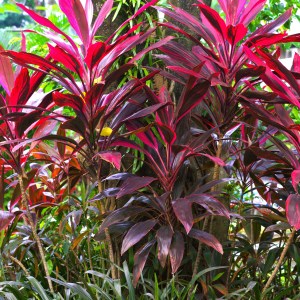
Cordyline fruticosa ‘Red Sister’ (Cordyline ‘Red Sister’)
Price range: $9.50 through $44.00Select options This product has multiple variants. The options may be chosen on the product page -
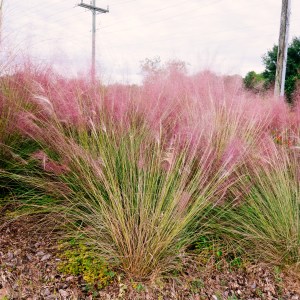
Muhly Grass (Muhlenbergia capillaris)
Price range: $9.50 through $44.00Select options This product has multiple variants. The options may be chosen on the product page -
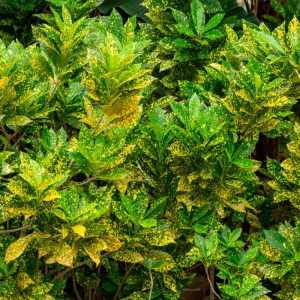
Croton ‘Gold Dust’ (Codiaeum variegatum)
Price range: $9.50 through $44.00Select options This product has multiple variants. The options may be chosen on the product page -

Wild Coffee (Psychotria nervosa)
Price range: $9.50 through $44.00Select options This product has multiple variants. The options may be chosen on the product page
Reviews
There are no reviews yet.