
PENNATE / FLORIDA LANDSCAPE SYSTEMS
Florida landscapes are systems.
Design them like one.
Pennate applies engineering logic, Florida-specific landscape knowledge, and long-term cost thinking to the decisions that shape a property—not simply the plants that fill it.
OPERATING PRINCIPLE / 01
Designing with intention.
Adjusting with reality.
Intention defines what the landscape needs to do. Reality accounts for the property that actually exists: light, water, soil, exposure, mature growth, maintenance, budget, and change over time.
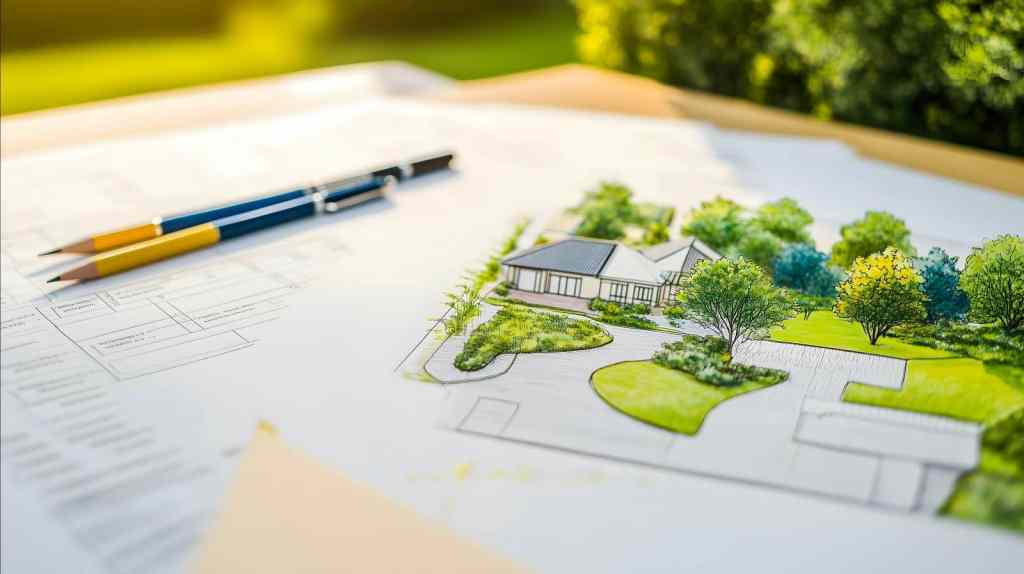
01 / PENNATE
A landscape company would sell you more landscaping.
Pennate starts with the decision.
Pennate is a systems-driven design, advisory, and knowledge company in the landscape and outdoor-environment space.
Design organizes the property. Workspace keeps the project record connected. Advisory resolves difficult decisions. The Learning Center explains why landscapes behave the way they do.
The objective is the right intervention—clear enough to price, phase, build, maintain, or decide not to build.
WHAT PENNATE DOES / FOUR WORKSTREAMS
Different questions require different levels of intervention.
The company is organized around the work product you need—not around sending more labor to the property.
01
DESIGN
Landscape Design
Property-specific concepts and documentation for planting, spatial organization, scale, phasing, and implementation.
02
ADVISORY
Landscape Advisory
Decision support for proposals, recurring failures, maintenance economics, site constraints, and questions that should be resolved before a design is commissioned.
03
KNOWLEDGE
Learning Center
Structured Florida landscape references covering systems, mechanisms, applied conditions, plants, seasonality, and long-term stewardship.
04
TOOLS + DATA
Pennate Systems
Structured information, repeatable frameworks, and future tools designed to make landscape decisions easier to understand and less dependent on individual judgment.
PENNATE SYSTEM / WORKSPACE
Keep the project record connected.
Pennate Workspace organizes goals, site conditions, photos, measurements, inspiration, plant preferences, project files, communication, designs, and Pennate services around the same property record.

THE PENNATE METHOD / INTENTION × REALITY
A design idea becomes useful only after reality is allowed into the room.
The tagline is the operating method. Start with the desired outcome. Then test it against the forces that will actually govern the site.
INTENTION
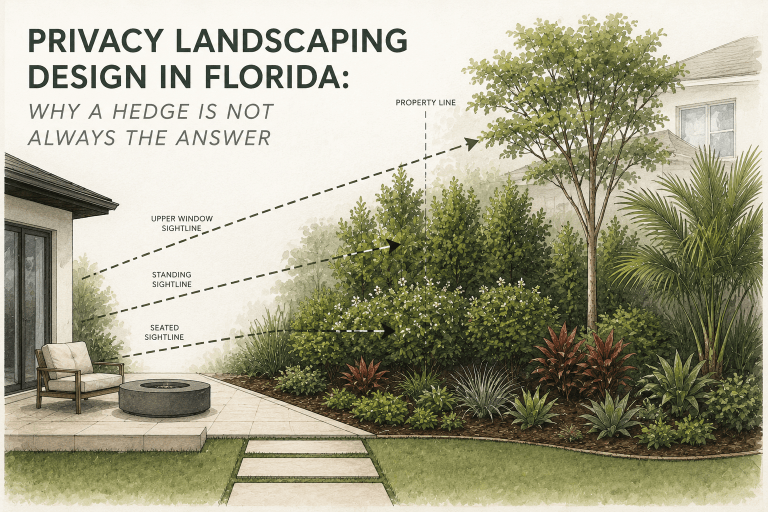
Create meaningful screening without closing the property in.
PRIVACY
REALITY
Mature width, setbacks, sight lines, pruning access, wind exposure, and maintenance determine whether a screen stays useful.
INTENTION
Build a layered Florida composition that feels established and intentional.
LUSHNESS
REALITY
Light, drainage, rooting volume, spacing, irrigation, heat, salt, and plant behavior determine what persists after installation.
INTENTION
Reduce recurring landscape burden without turning the property into an empty field.
LOWER MAINTENANCE
REALITY
Species behavior, access, edges, pruning demand, irrigation, debris, replacement cycles, and mature scale create the operating cost.
02 / READ THE PROPERTY
The landscape is more than the plants.
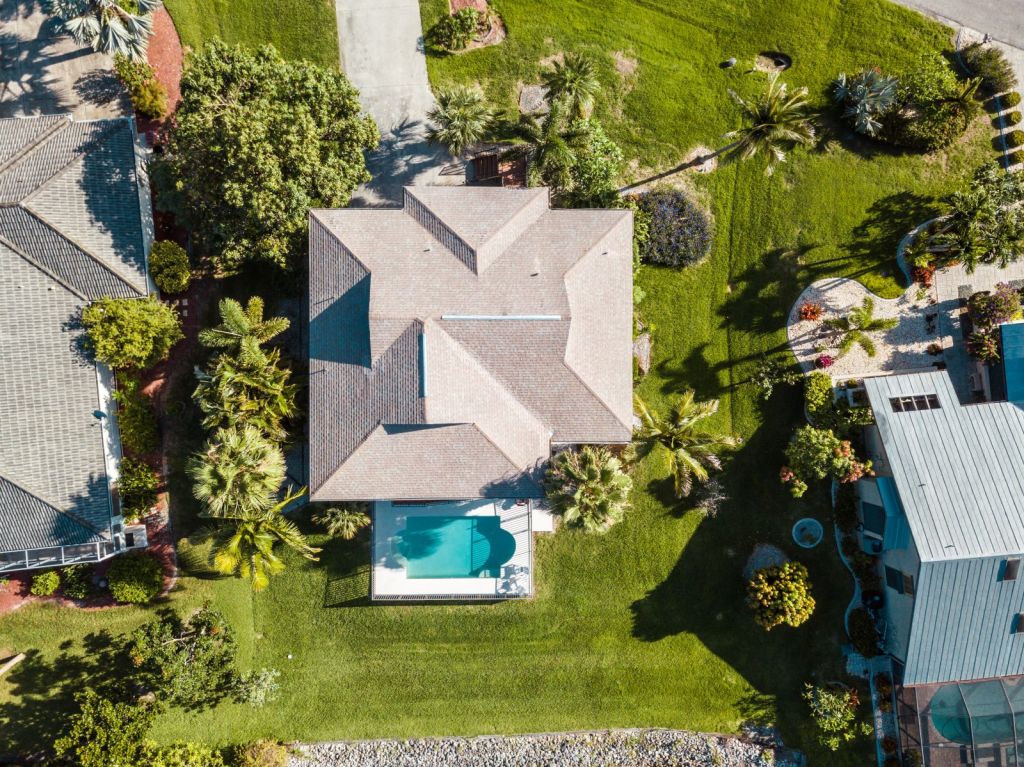
A good-looking installation can still be a bad landscape investment. Pennate reads the property as an interacting set of systems.
Explore the technical library →
01
LIGHT + EXPOSURE
Orientation, shade, reflected heat, structures, canopy, wind, salt, and microclimates alter what can perform.
02
WATER
Rainfall, drainage, grade, irrigation coverage, rooting volume, and establishment demand behave as one connected system.
03
SOIL + ROOT ZONE
Sand, fill, compaction, organic matter, construction disturbance, planting depth, and oxygen availability change what roots can actually do.
04
SCALE
Plants do not stay installation-sized. Mature width, canopy, circulation, architecture, views, and maintenance access have to coexist.
05
TIME
Establishment, seasonal growth, storms, pruning, succession, and maturity continue changing the design after the drawing is finished.
06
ECONOMICS
Every design choice creates an installation cost, a maintenance burden, and a long-term ownership consequence.
03 / LANDSCAPE DESIGN
Start at the level of decision you actually need.
Fixed-scope products keep a small question small and give larger design problems enough structure to be useful.
01
FAST DIAGNOSTIC
AI Landscape Reality Check
$79
A fast second look at an idea, image, proposal, or landscape condition when you need direction before investing more.
02
FOCUSED PLANTING DESIGN
Florida Planting Concept
$495
A focused planting concept for one defined composition when the hardscape and overall site organization are already established.
03
PRIMARY DESIGN PACKAGE
Remote Landscape Design
$995
A broader property design package when the landscape needs to be organized as a system—not reduced to a plant list.

SITE → DESIGN → IMPLEMENTATION
PRIMARY DESIGN PACKAGE / REMOTE
A professional landscape plan without surrendering the project to an installer.
Pennate translates site information, goals, constraints, reference images, and existing conditions into an intentional landscape concept with defined planting direction and implementation logic.
- 01 Conceptual landscape layout
- 02 Plant palette and quantities
- 03 Sizes, spacing, and placement direction
- 04 Design and implementation notes
- 05 Defined revision and review process
04 / ADVISORY
Some problems should be solved before anyone draws a plan.
Advisory is for decisions where the value is in framing the problem correctly: understanding tradeoffs, identifying hidden constraints, questioning a proposal, or deciding whether an intervention is worth doing at all.
- 01Recurring failure
Why does the same area keep declining after replacement? - 02Proposal review
Is this contractor or design proposal solving the actual problem? - 03Lifecycle economics
Which costs are one-time, and which become permanent operating expenses? - 04Site constraints
How should a waterfront, windy, shaded, compacted, or drainage-constrained site be approached?
05 / PENNATE GUIDES
Understand the landscape before changing it.
Pennate Guides are the permanent reference layer of the Learning Center: Florida-specific resources built to explain systems, mechanisms, site conditions, planting decisions, and long-term landscape change.
RECOMMENDED START / PRIMARY AUTHORITY GUIDE
The Complete Guide to Landscape Design in Florida
A system-level explanation connecting property context, soils, drainage, exposure, plant behavior, installation, establishment, and maintenance into one framework.

CURRENT / ARTICLES + FIELD QUESTIONS
The permanent Guides explain the system. Articles follow what is happening now.
Seasonal observations, field questions, and applied articles connect the permanent reference library to current Florida conditions.
-
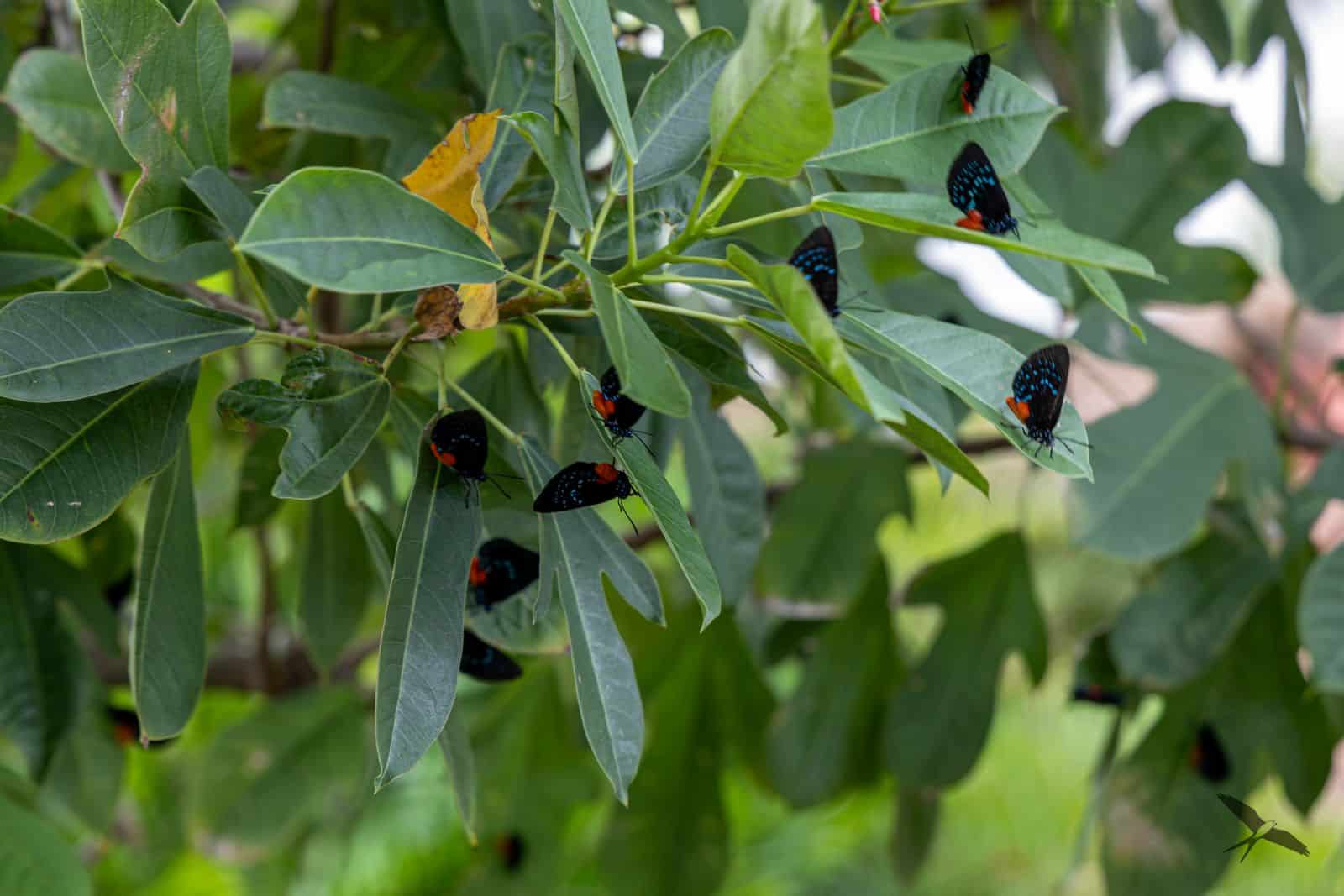
Atala Butterflies in Florida: Lifecycle, Seasonal Behavior, and the Coontie Connection
Atala Butterflies in Florida: Lifecycle, Seasonal Behavior, and the Coontie Connection The Atala was once common in parts of South…
-
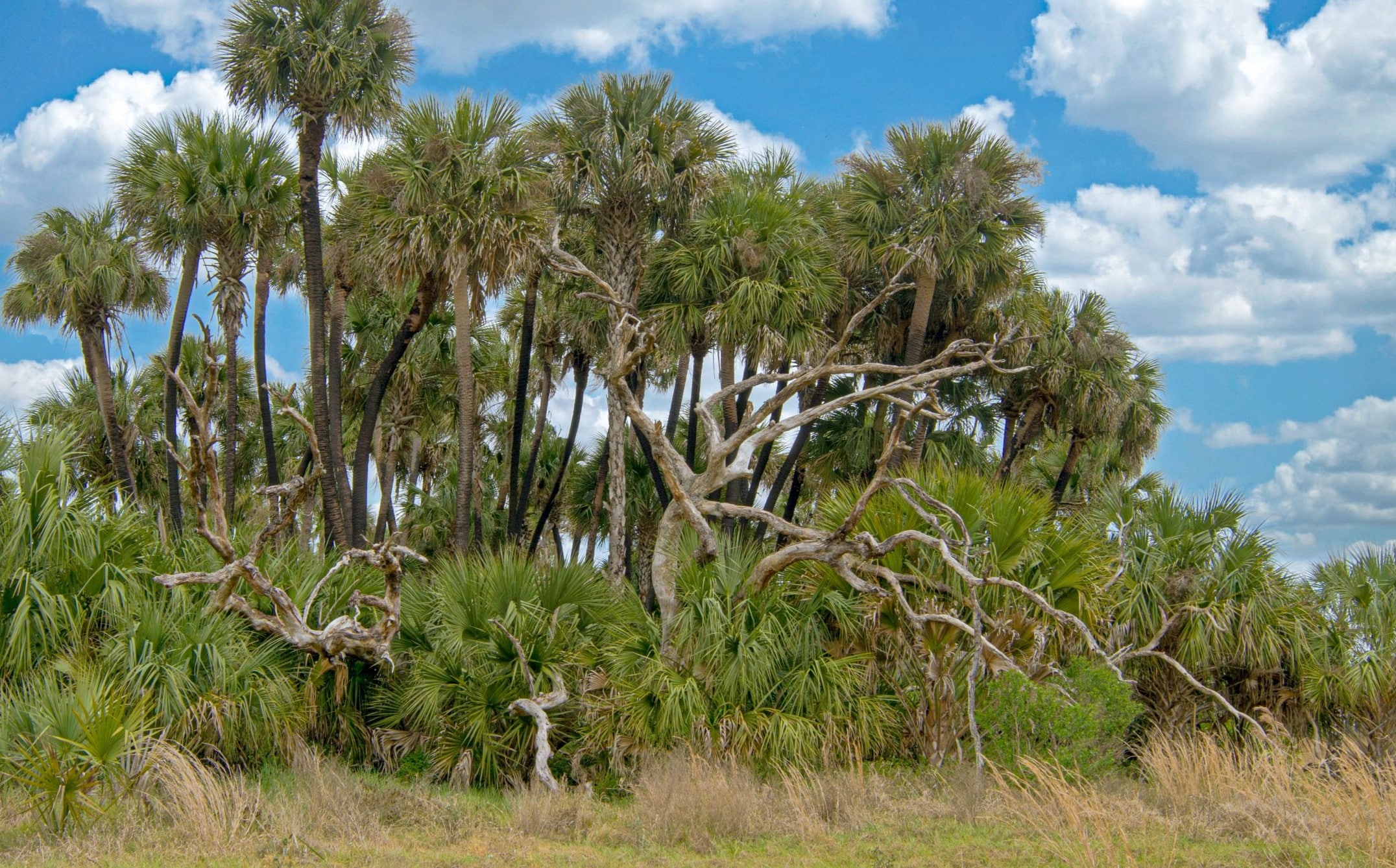
Before Florida Had Lawns: What the Landscape Looked Like Around America’s Founding
Before Florida Had Lawns: What the Landscape Looked Like Around America’s Founding Every Fourth of July, Florida is usually framed…
-

Hibiscus in Florida: Varieties, Care, Growth, Blooming, Landscaping, and Common Problems
Hibiscus is one of Florida’s most recognizable flowering shrubs, known for its large tropical blooms and nearly year-round color. This…


FIELD / WHERE THE THEORY MEETS THE PROPERTY
Reality is not the thing that compromises the design.
It is the thing the design has to understand.

SPECIMEN PALMS / FORM + ESTABLISHMENT
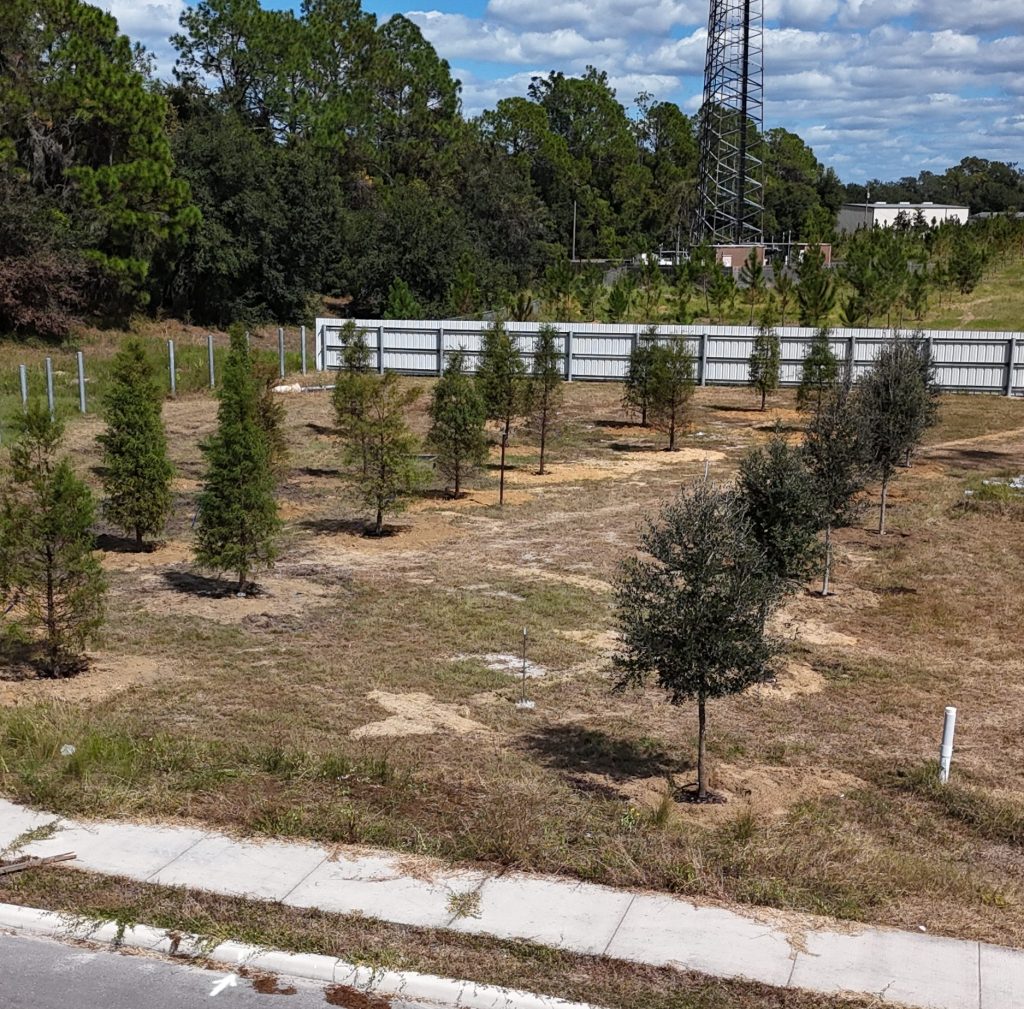
TREE INSTALLATION / SEQUENCE + SITE CONDITIONS
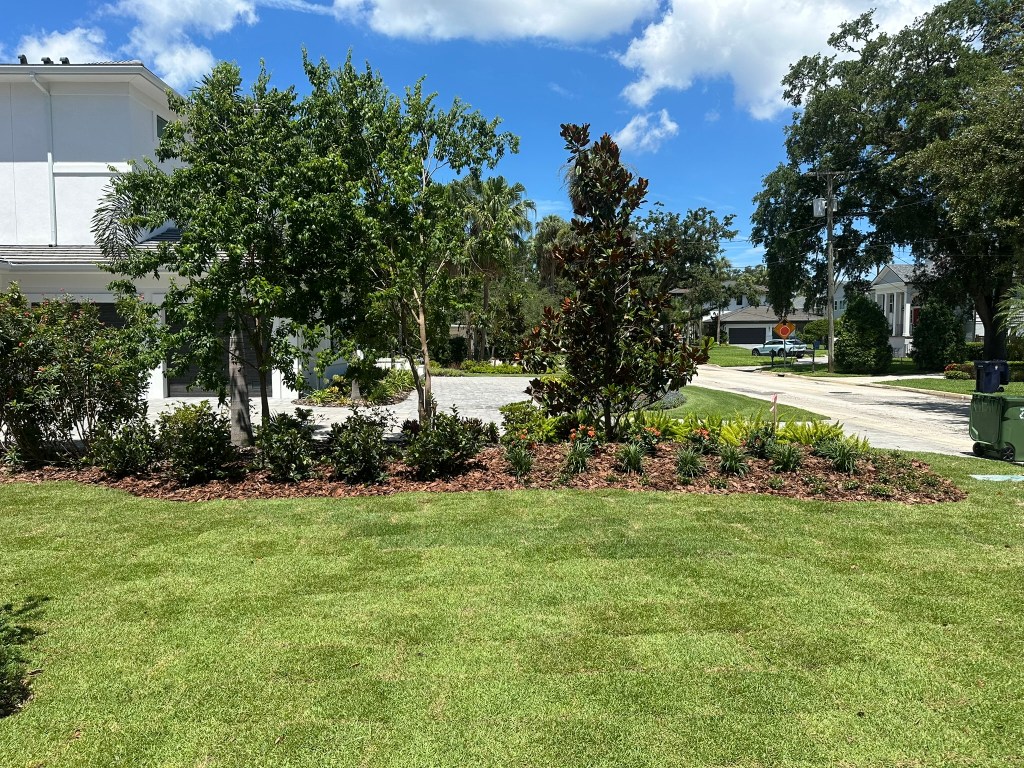
RESIDENTIAL / STRUCTURE + LONG-TERM PERFORMANCE
WHO PENNATE SERVES
The common denominator is not property type.
It is decision complexity.
01
HOMEOWNERS
New landscapes, major refreshes, privacy, phasing, difficult exposures, planting structure, and yards where repeated replacement has become the strategy.
02
PROPERTY MANAGERS / HOAs / OWNERS
Landscapes where appearance, maintenance cost, replacement cycles, irrigation, tree decisions, tenant experience, and long-term asset performance must coexist.
03
PROFESSIONALS / PROJECT TEAMS
Contractors, designers, owners, and project teams that need Florida-specific technical perspective, documented rationale, or a second opinion before committing resources.
06 / THE PROCESS
Understand. Define. Design. Document. Adjust.
Complexity belongs in the reasoning—not in making the client manage the workflow.
01
UNDERSTAND
Read the property and collect the information that changes the decision.
02
DEFINE
Clarify goals, boundaries, priorities, maintenance expectations, and budget.
03
DESIGN
Organize the landscape around function, scale, performance, and visual intent.
04
DOCUMENT
Create an output that can be communicated, priced, reviewed, and executed.
05
ADJUST
Respond to real information without abandoning the logic of the design.
REFERENCE / PLANTS
Looking for a specific plant?
The Plant Library focuses on individual plants: mature size, exposure, placement, maintenance requirements, behavior, performance, and common failure points in Florida landscapes.
COMMERCE / DOWNSTREAM
When the plant itself is the next decision.
The Pennate shop remains available as a downstream resource. It supports the design and knowledge system; it does not define the company.
BEFORE YOU START
A few useful distinctions.
Is Pennate a landscaping company?
No. Pennate is structured around design, advisory, knowledge, and decision systems in the landscape and outdoor-environment space. Installation can be part of a project context, but field labor is not the core product.
What is Pennate Workspace?
Workspace is Pennate’s project record for organizing goals, site conditions, photos, measurements, inspiration, plant preferences, files, communication, designs, and Pennate services. Learn about Workspace at pennate-group.com/workspace or open the application at workspace.pennate-group.com.
Can landscape design really be completed remotely?
Yes, when the project fits the package and the required site information can be documented clearly. Fixed scope is what keeps remote design useful instead of turning it into an open-ended virtual consultation.
Does Pennate only recommend native plants?
No. Native status can matter, but it does not replace site suitability. Plant selection is evaluated through landscape function, exposure, mature scale, maintenance, performance, and the objectives of the property.
Can I use a Pennate design with another installer?
Yes. A documented design should make the project easier to communicate, price, phase, source, and coordinate without requiring Pennate to provide field labor.
What if my problem is drainage, irrigation, maintenance cost, or an existing landscape that keeps failing?
Those are often system questions before they are planting questions. Advisory or the Learning Center may be the right starting point before deciding whether a design engagement is appropriate.
PENNATE / FLORIDA
Your property already has constraints.
The design should account for them.
Start with a defined design package, bring Pennate a difficult decision, or use the Learning Center to understand the system before you spend.
Designing with intention. Adjusting with reality.
You must be logged in to post a comment.