Mulch as a System, Not a Product
In many Florida landscapes, mulch is treated as a finishing touch—a uniform layer applied to cover bare soil, suppress weeds, and create a clean visual edge. It is often purchased like a commodity, judged primarily by color, cost, and coverage. That approach overlooks mulch’s most important function. Mulch is not a cosmetic topping; it is an active component of a larger landscape system. When mulch is treated as Mulch as a system in Florida, its role expands beyond appearance into soil health, moisture control, and long-term landscape performance.
When mulch is viewed as a system rather than a product, its role expands. It becomes part of how soil behaves, how water is retained or released, how plants experience heat, and how the landscape responds to Florida’s seasonal extremes. Its value is not determined by how it looks after installation, but by how it performs over time.
Shifting this perspective changes the questions being asked. Instead of focusing on quantity alone, the conversation becomes about intent. What should this layer accomplish? What conditions is it meant to moderate or support? That reframing is essential to building landscapes that are more resilient, require less correction, and behave more predictably through the year.
Why Mulch Is Often Undervalued
Mulch is frequently treated as disposable. It is applied to refresh the appearance of beds, fades or breaks down, and is replaced without much thought. This mindset reduces mulch to a visual reset rather than a functional contributor, encouraging decisions based on aesthetics rather than performance.
When mulch is managed this way, its potential is never fully realized. Instead of becoming integrated into the soil profile, it remains a superficial layer. Its ability to regulate temperature, conserve moisture, and support biological activity is limited by how little intention is placed on its role. Value is measured on installation day rather than across seasons.
This cycle of replacement misses an opportunity. Mulch is not meant to remain separate from the soil indefinitely. When allowed to function as part of the system, it becomes a tool for gradual improvement rather than a recurring cosmetic expense.
Mulch’s Role in Soil Health
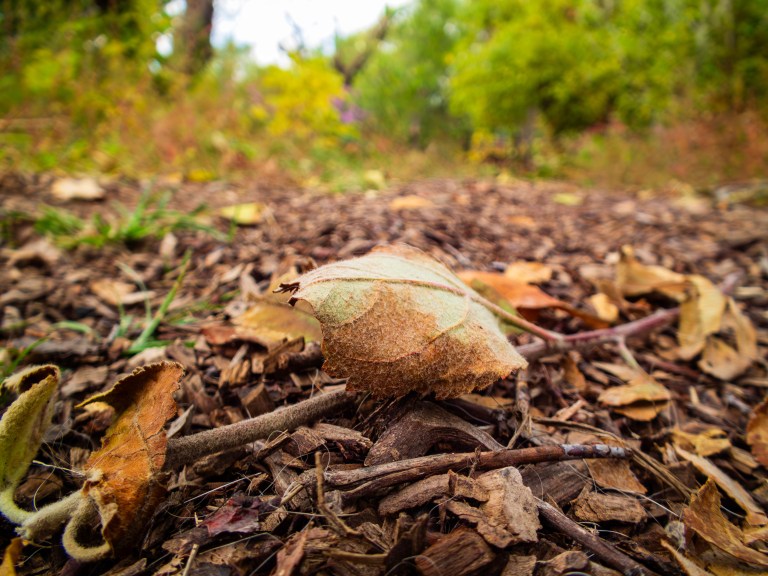
A properly selected and maintained mulch layer acts as the interface between the atmosphere and the soil. One of its most immediate benefits is thermal regulation. In summer, mulch insulates the soil surface, protecting root systems from extreme heat. During cooler periods, it moderates temperature swings that can stress plants.
Mulch also plays a critical role in moisture management. By slowing evaporation, it helps soils retain water longer between rainfall or irrigation events. This stabilizes the root environment and reduces overall water demand. As organic mulches decompose, they contribute to soil structure, improving both moisture retention and drainage.
Equally important is mulch’s role in soil biology. Decomposing organic material feeds microorganisms, fungi, and other organisms responsible for nutrient cycling. These biological processes improve fertility and resilience, allowing plants to access nutrients more efficiently with fewer external inputs. Mulch is not simply covering the soil—it is sustaining the system beneath it.
Seasonal Timing Strategy
Mulch effectiveness is closely tied to timing. Application should respond to seasonal conditions rather than habit or appearance alone. The same material applied at different points in the year can produce very different results.
Applying mulch ahead of summer heat helps conserve moisture and protect roots during the most stressful part of the year. Applied too early in cool, wet conditions, however, mulch can trap excess moisture and slow soil warming. Understanding why and when mulch is applied is as important as the material itself.
This is where timing matters. In Florida, transitions between dry and wet seasons offer important opportunities. Applying mulch with these shifts in mind allows it to perform its intended function more effectively. The decision is not whether to mulch, but why and when—relative to what the landscape is experiencing.
Common Misapplications
Some of the most common mulch-related issues stem from conceptual misuse rather than material choice. Over-application is a frequent problem, particularly when mulch is piled against tree trunks or shrub stems. This practice traps moisture where it does not belong and can lead to decay, disease, and long-term decline.
Mulch is also often used to compensate for deeper design or site issues. While it can improve conditions at the surface, it cannot correct poor drainage, inappropriate plant placement, or incompatible soil conditions. Using mulch to mask these problems may improve appearance temporarily, but it does not resolve the underlying cause.
Another frequent oversight is treating all mulch materials as interchangeable. Different applications call for different characteristics. Some mulches decompose quickly and contribute to soil improvement, while others persist longer and serve a more decorative role. Selecting material without considering intent limits its effectiveness.
Thinking Beyond a Single Application
Effective mulch use requires thinking beyond a single installation. Mulch works best when it is managed as part of an evolving system rather than applied as a one-time solution.
Spending with long-term outcomes in mind means recognizing that mulch interacts with everything around it. Beds that will eventually receive lighting, irrigation lines, or expanded planting should be treated differently than finished spaces. When mulch is applied with future changes in mind, it supports flexibility rather than creating obstacles.
This is where mulch intersects with broader planning and budgeting decisions. A landscape that is sequenced thoughtfully allows mulch to support—not complicate—future improvements. This same systems mindset underpins long-term planning decisions, including How to Set a Landscape Budget That Actually Works.
When mulch is treated as a system, it becomes an investment in soil health, plant performance, and reduced maintenance rather than a recurring cosmetic cost.
A Systems-Based Outcome
Ultimately, understanding mulch as a system leads to better outcomes. It supports healthier soils, stabilizes plant environments, and reduces the need for corrective work later. Landscapes managed this way are more resilient, more predictable, and easier to maintain through Florida’s extremes.
By shifting focus away from mulch as a product and toward mulch as an integrated layer within a living system, homeowners gain control over performance rather than appearance alone. That shift—quietly and intentionally—creates landscapes that improve over time instead of demanding constant intervention.