

Does Pine Bark Mulch Attract Roaches in Florida?
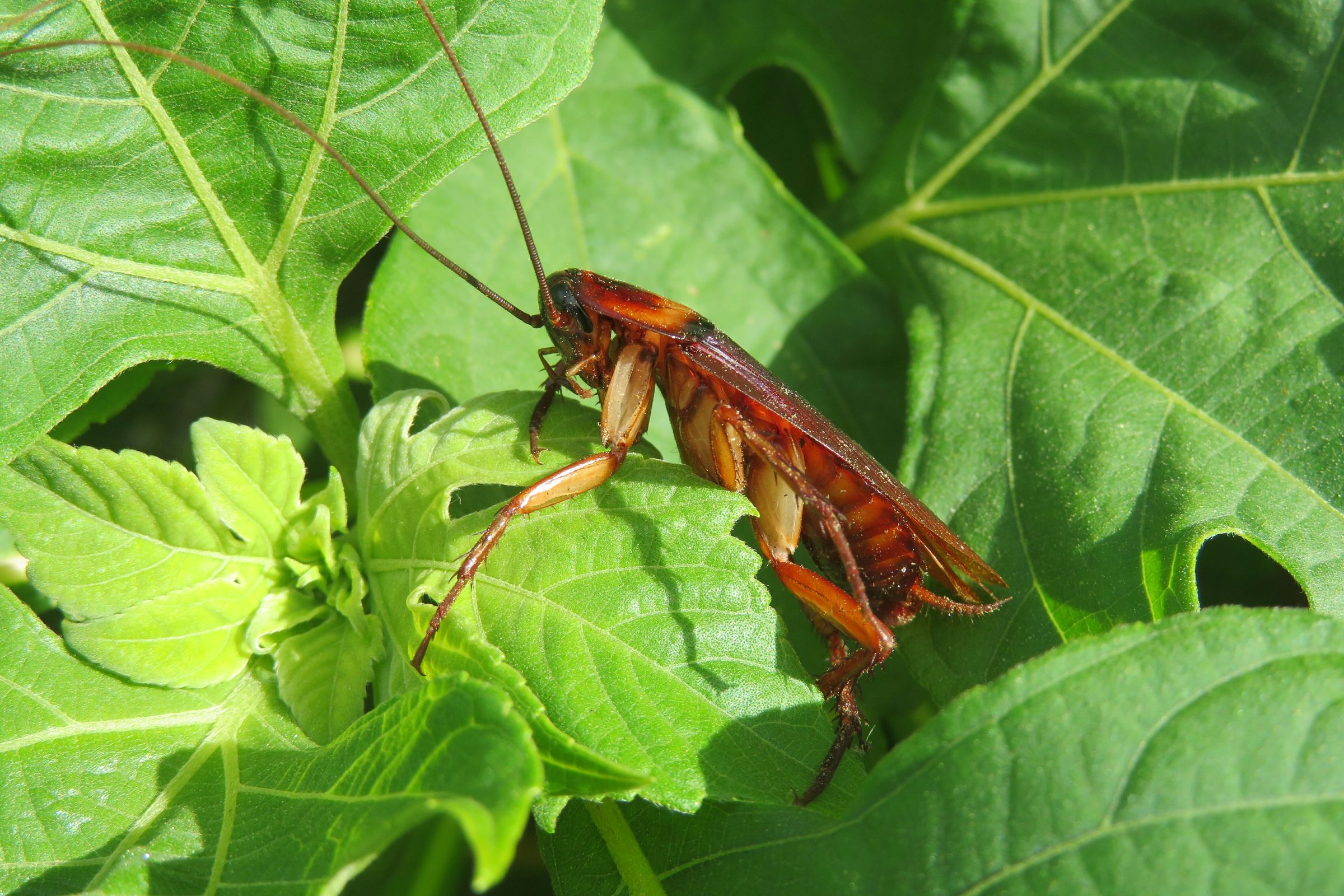
Pine bark mulch can provide habitat for outdoor cockroaches, but pine bark itself is not the main reason they are there.
Several cockroach species already live outdoors in Florida in leaf litter, beneath bark, around decaying vegetation, and in other protected areas. A mulched landscape bed can reproduce some of those same conditions.
The more useful question is whether the landscape is providing enough moisture, shelter, organic material, and proximity to the house to support outdoor cockroaches close to the structure.
Why Cockroaches Live in Mulched Beds
Mulch changes conditions at the soil surface. It shades the ground, reduces evaporation, moderates temperature swings, and creates protected spaces within and beneath the mulch layer. Those are useful functions in a Florida landscape, but they can also create habitat for insects and other organisms that favor protected, moist environments.
UF/IFAS describes the Florida woods cockroach as a detritivore that feeds primarily on decomposing plant material and occurs in places such as leaf litter, beneath tree bark, decaying logs, tree cavities, and densely shaded vegetation. A pine bark bed is not identical to those natural habitats, but it can provide the same basic ingredients: organic material, shade, shelter, and moisture. UF/IFAS provides a detailed profile of the Florida woods cockroach here.
A shaded bed that remains wet from frequent irrigation is generally more favorable habitat than an exposed bed that periodically dries. The environmental conditions matter more than whether the mulch happens to be pine bark or another organic material.
The Species Matters
Seeing a cockroach outdoors does not by itself indicate an indoor infestation. Florida supports several cockroach species with different habits. Florida woods cockroaches are strongly associated with outdoor habitats and decomposing vegetation. American and smokybrown cockroaches can also occur outdoors around structures. German cockroaches, by contrast, are much more strongly associated with indoor infestations.
Identification changes the diagnosis. A large outdoor cockroach disturbed while moving mulch is a different situation from repeated cockroach activity inside kitchens, bathrooms, cabinets, or appliances. UF/IFAS maintains guidance on cockroach identification and management, including outdoor species around homes.
Why You May See More Roaches Indoors After Heavy Rain
Florida homeowners sometimes notice more large cockroaches indoors during or after periods of heavy rain. Outdoor species normally occupy moist, protected environments around buildings, but changing conditions can alter where they move. Heavy rainfall can saturate or temporarily flood outdoor harborage, while doors, utility penetrations, drains, gaps, and other openings provide possible routes into a structure.
A large outdoor cockroach appearing inside after wet weather is therefore not the same evidence as finding a species adapted to living and reproducing indoors. Repeated indoor sightings still deserve attention, especially when they continue independently of weather or occur well away from likely entry points.
Mulch can matter indirectly because a moist, protected bed immediately beside a building supports outdoor activity close to potential entry points. The concern is the combination of harborage, moisture, proximity, and access to the structure—not pine bark functioning as a special attractant.
When Mulch Near the House Becomes a Concern
Mulch becomes more relevant to pest pressure when favorable habitat extends directly to the building. Deep mulch, accumulated leaves, dense vegetation, persistent irrigation, poor drainage, and other sources of moisture can maintain protected conditions beside exterior walls and potential entry points.
- Mulch is repeatedly added without accounting for the existing layer.
- Irrigation frequently wets the foundation or keeps the bed continuously damp.
- Drainage leaves water standing or the surrounding soil saturated.
- Leaves and other organic debris accumulate within the mulch.
- Dense vegetation and mulch create continuous shelter immediately beside the structure.
UF/IFAS recommends using only a thin layer of mulch around homes as part of an integrated approach to outdoor cockroach management. That recommendation addresses harborage conditions; it does not identify pine bark as uniquely attractive to cockroaches.
Should You Avoid Pine Bark Because of Roaches?
Roach concerns alone are not a strong reason to reject pine bark mulch. Organic mulch has legitimate landscape functions, including moderating soil temperature, reducing evaporation, protecting the soil surface, and contributing organic material as it decomposes.
Those same moisture-moderating properties mean that mulch has to be considered as part of the site’s water, planting, and maintenance system. If a bed remains saturated, irrigation repeatedly wets the foundation, debris accumulates against the house, or the mulch layer has become unnecessarily deep, switching from pine bark to another organic mulch does not correct the underlying condition.
The practical response is to correct the moisture, depth, debris, or proximity problem that is supporting the habitat. Pine bark can remain a reasonable material choice when those conditions are managed appropriately.
If you’re considering pine bark mulch for your landscape, we provide bulk delivery along with install guidance so it performs the way it’s intended.
👉 View Pine Bark Options & Delivery Information Here
For a broader explanation of mulch depth, moisture, soil interaction, and long-term landscape performance, explore the Pennate Learning Center.
👉 Visit the Pennate Guides
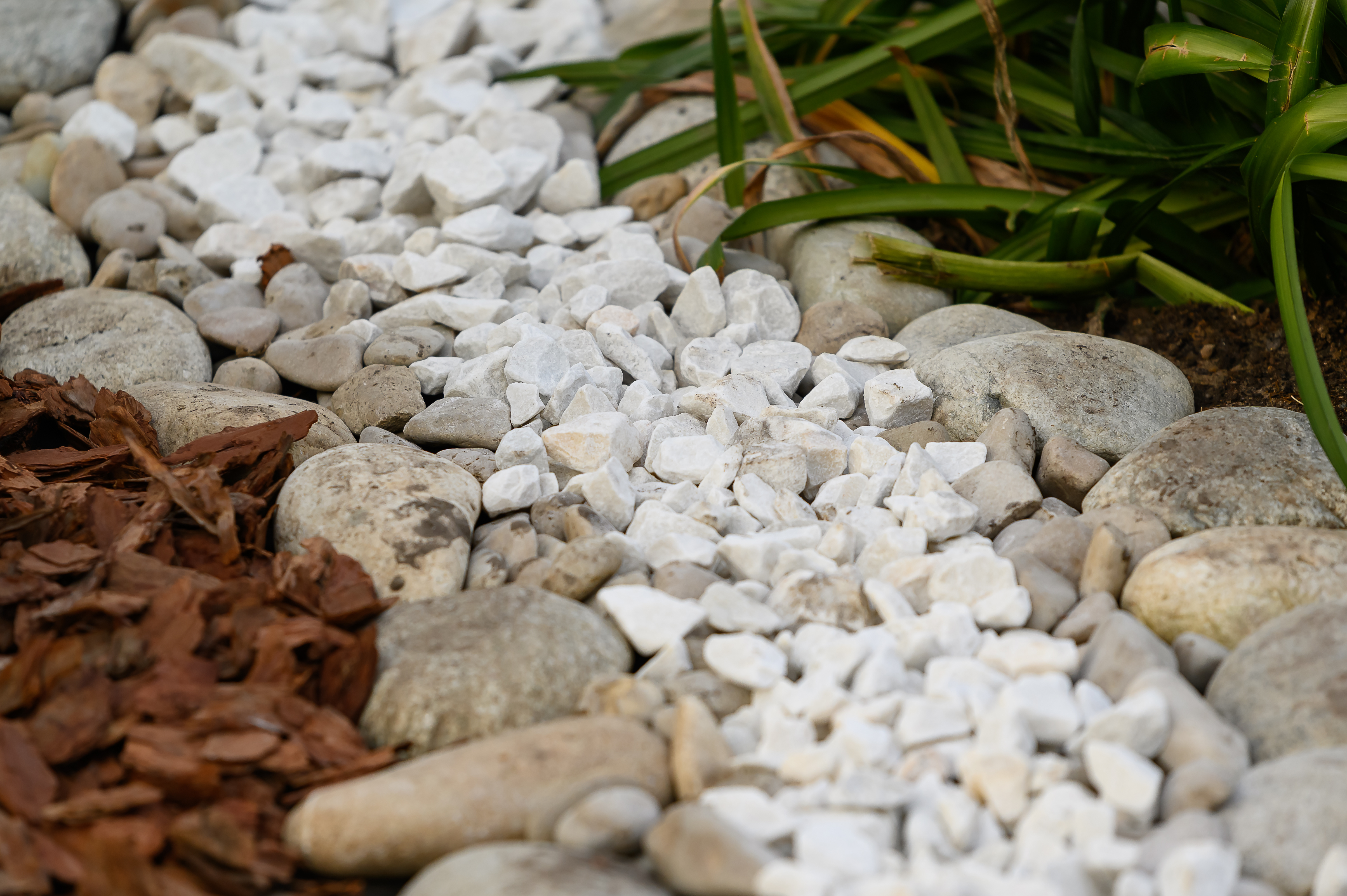
If you’re weighing pine bark against rock because of pest concerns, the material choice involves more than insects. Heat, drainage, soil conditions, maintenance, and the surrounding planting system all matter.
👉 Read: Rock vs. Mulch in Florida Landscapes — What Actually Matters

You must be logged in to post a comment.