Can Ti Plants Grow in Full Sun? Florida Landscape Guide
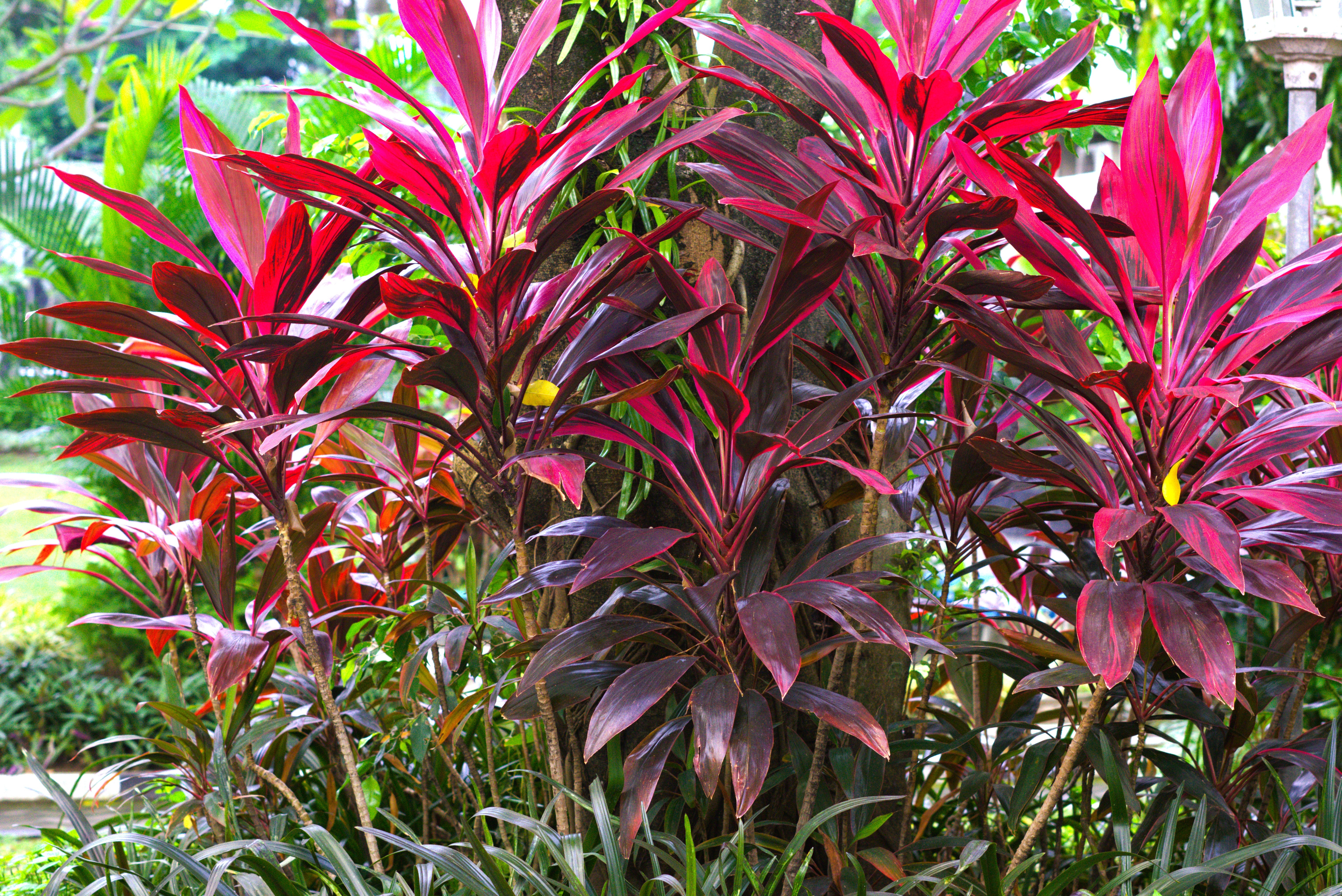
Ti plants in full sun — is it possible in Florida? Gardeners love the saturated reds and hot-pink stripes of Cordyline fruticosa, but proper placement is key. It’s a tropical shrub that instantly brings that “Hawaiian luau” vibe to any landscape. But in a state where the sun can bleach a pool float in a single season, the question of full sun isn’t just a curiosity — it’s critical to whether those dramatic leaves stay magenta or fade to green.
At Pennate, we design with intention and adjust with reality. So here’s what you actually need to know about growing ti plants in Florida’s relentless light.
Lifecycle, Behavior, and Use Case
- Tropical Accent Shrub: According to UF/IFAS, ti plants are evergreen, fast-growing shrubs reaching 3–10 ft tall and 2–4 ft wide. Their foliage comes in bold colors, from variegated pinks and greens to deep, moody burgundy.
- Zones & Hardiness: Ti plants are not native and are best suited to USDA Zones 10–11. In Zone 9B, they can survive with protection — containers are your friend.
- Light Tolerance: Technically, ti plants tolerate anything from deep shade to full sun. But here’s the catch: better sun = better color, while low light = more green and fewer hot-pink fireworks.
- Soil & Salt: They’re flexible in soil (sandy, loamy, slightly alkaline), but poor salt tolerance and moderate drought tolerance mean they demand good drainage and consistent moisture — especially in direct sun.
Full Sun in Florida: Benefits and Risks
Yes, you can grow ti plants in full sun — but not without some nuance.
Color vs. Burn: Full sun encourages vivid red and pink hues, but a shade-grown plant moved suddenly into the Florida sun will get scorched. Charlotte County Extension recommends transitioning slowly: start with morning sun and increase exposure over 1–2 weeks.
Microclimate Strategy: If you’re installing ti plants into a high-sun area, buffer them with taller neighbors for filtered light.
Try these design companions:
- Wild Coffee (Psychotria nervosa) – 4–10 ft native shrub, glossy leaves, white flowers, red berries. Creates a mid-height canopy to shelter ti plants.
- Croton (Codiaeum variegatum) – 3–8 ft flamboyant shrub, complementary in color. Helps filter midday sun.
- Coontie (Zamia pumila) – 1–3 ft native cycad, host plant for atala butterfly. Adds habitat while creating a low understory layer.
Design Tips for Placement and Layering
- Spacing: For mass plantings, space ti plants 2–3 ft apart.
- Placement: Use east- or north-facing beds where ti gets morning sun and afternoon shade. Avoid salt-exposed coastal areas.
- Containers: In patios, lanais, or paved courtyards, large pots offer flexibility and frost protection — especially critical in Zone 9B.
Care, Maintenance, and Challenges
- Watering: Keep the soil consistently moist, not soggy. Ti plants dislike drought and fluoride — so skip the city tap and use rainwater or distilled when possible.
- Fertilizer: A slow-release, balanced foliage fertilizer is ideal. Avoid over-fertilizing; it leads to salt buildup and fluoride burn.
- Pests & Problems: Watch for mealybugs, mites, nematodes, and fluoride damage. Regularly inspect and wipe leaves. Flush container soil every few months to clear out built-up salts.
- Pruning & Propagation: Remove old leaves for a clean look. Propagate with cane cuttings — they root easily in moist conditions.
Product Tie-Ins: Shop & Design with Pennate
Ti plants are natural attention-grabbers. Use them:
- At entryways and poolside patios
- In tropical borders with layered shade
- Under palm canopies for contrast and color pop
Explore Pennate’s curated collection of cultivars like:
- ‘Red Sister’ — classic magenta
- ‘Tricolor’ — pink, green, and cream
- Other bold varieties for every zone and light level
Companion Picks
Zone-Based Considerations
Zone 10A–11: Ti plants thrive year-round with vivid color. Full sun is fine with acclimation and consistent moisture.
Zone 9B Tips:
- Grow in containers for winter protection
- Provide morning sun, afternoon shade
- Move indoors when temps dip into the low 40s°F
- Watch for frost pockets and north wind exposure
Wildlife Callout: Add Value with Natives
Ti plants are purely ornamental — no ecological benefit on their own. But combine them with:
- Coontie, a larval host for the atala butterfly
- Wild coffee, a berry-producing magnet for birds
And you’ve got color and habitat.
Final Verdict
Can ti plants take full sun in Florida?
Yes — if you do it right.
- Acclimate them gradually
- Mind your zone
- Shield with smart companions
- Water and fertilize properly
If you’re designing a tropical landscape that needs punch, height, and drama, the ti plant delivers — just don’t drop it into a concrete furnace and hope for the best.
Ready to Add Drama?
Or book a design consultation with Pennate to get a tailored layout built around your zone, sun exposure, and style goals.
Designing with intention. Adjusting with reality.