How Much Sun Is Too Much? 7 Essential Plant Light Requirements in Florida
Engineering, Ecology, and Experience — Best Practices In Plain English.
Plant Light Requirements in Florida: What They Mean
Understanding Plant Light Requirements in Florida isn’t just about reading a plant tag. Florida sunlight is not like sunlight anywhere else. It’s hot, humid, relentless, and occasionally hurricane-adjacent. So when a label says “full sun” or “partial shade,” what does that really mean for your yard?
In this guide, we break down how light categories—full sun, part sun, part shade, full shade, and filtered light—translate in Florida’s climate. We also explain the difference between sun-loving and sun-tolerant plants (because yes, that matters).
The Florida Factor
Florida’s sun is intense. UV indexes regularly exceed 10–11 during summer, even before factoring in heat reflection from white walls, driveways, or pool decks. “Full sun” in Florida isn’t the same as “full sun” in New York or Oregon.
Most light categories were created for generic climates. In Zones 9B–11, afternoon sun can be aggressive enough to scorch leaves on plants labeled “sun-loving.” That’s why it’s important to understand plant light requirements in Florida—because the same label can mean very different outcomes in this climate.
Hot tip: When a label says “full sun” or “partial shade,” it’s not always obvious what that means in Florida’s climate. Resources like UF/IFAS Gardening Solutions provide helpful definitions.
Full Sun (6+ Hours of Direct Sunlight)
Florida Translation: Survivor of the Sahara.
Full sun means 6 or more hours of direct, unfiltered sunlight per day. Ideally this is morning through early afternoon, though some plants can handle all-day exposure with the right care.
Plants That Thrive in Full Sun:
- Muhlenbergia capillaris (Muhly Grass) – A tough native grass with striking fall color.
- Ilex vomitoria ‘Schillings Dwarf’ (Yaupon Holly) – Dense, drought-tolerant native with clean evergreen form.
- Cordyline fruticosa (Ti Plant) – Handles sun in well-irrigated sites, though colors may fade.
- Croton variegatus (Croton) – Colorful, but prone to fading or scorch in extreme sun.
- Hamelia patens (Firebush) – Native pollinator magnet that thrives in full sun.
- Callistemon citrinus (Bottlebrush) – Iconic red blooms, great for hummingbirds and hedging.
- Gaillardia pulchella (Blanketflower) – Native wildflower for sandy soils and hot sun.
- Senna polyphylla (Desert Cassia) – Bright yellow blooms and well-suited for coastal drought-prone sites.
- Conocarpus erectus ‘Sericeus’ (Silver Buttonwood) – Silver-toned, salt-tolerant shrub for harsh coastal exposure.
- Dypsis lutescens (Areca Palm) – Accepts full sun once established; benefits from supplemental irrigation.
- Lantana camara (Lantana) – Colorful and tough; use sterile or native cultivars to avoid invasiveness.
- Ruellia brittoniana (Mexican Petunia) – Performs well in sun but may spread aggressively without control.
Florida Tips:
- Irrigation matters: Even full-sun plants need consistent moisture, especially near pavement or on berms.
- Color fade is real: High sun exposure can drain color from crotons, Ti plants, and other ornamentals.
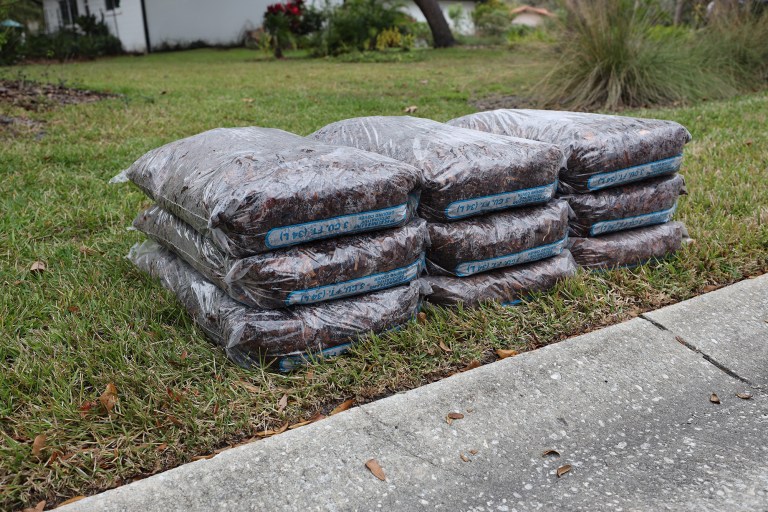
- Mulch wisely: Organic mulch reduces root heat and protects the soil. Avoid using rocks in exposed areas.
Partial Sun vs. Partial Shade (3–6 Hours)
Florida Translation: Somewhere between beach bum and house cat.
These terms are often used interchangeably, but Florida gardeners need to understand how they fit into overall plant light requirements in Florida.
- Partial sun: Needs some sun, but not all day—think morning exposure or dappled afternoon light.
- Partial shade: Prefers less sun, but tolerates morning light or light through canopy cover.
Good candidates for part sun/part shade:
- Hamelia patens (Firebush) – Florida native shrub with red-orange blooms; attracts hummingbirds and butterflies.
- Clerodendrum thomsoniae (Bleeding Heart Vine) – Tropical vine with striking red-and-white flowers; thrives on trellises.
- Philodendron ‘Xanadu’ (Xanadu Philodendron) – Compact landscape philodendron; bold foliage and low-maintenance.
- Ixora coccinea (Ixora / Jungle Geranium) – Evergreen shrub with clusters of colorful blooms; prefers morning sun, afternoon shade.
- Codiaeum variegatum (Croton) – Vibrant foliage with red, yellow, and orange variegation; needs filtered light to prevent leaf scorch.
- Camellia japonica (Camellia) – Cool-season bloomer with showy flowers; best in protected, filtered-light locations.
- Aucuba japonica (Japanese Aucuba) – Broadleaf evergreen shrub with glossy, speckled leaves; thrives in shaded landscapes.
- Dietes bicolor (African Iris) – Clumping perennial with yellow-and-brown blooms; tolerates part shade and poor soils.
- Alpinia zerumbet (Variegated Shell Ginger) – Bold foliage with yellow striping; thrives in morning sun or bright shade.
- Brunfelsia grandiflora (Yesterday-Today-and-Tomorrow) – Shrub with fragrant blooms that change color from purple to white.
- Heliconia psittacorum (Parrot’s Beak Heliconia) – Tropical perennial with vivid, upright flowers; prefers bright, indirect light.
- Strelitzia nicolai (White Bird of Paradise) – Large architectural plant; adds height and bold texture in part shade.
- Plumbago auriculata (Plumbago) – Sprawling shrub with pale blue flowers; tolerates both sun and partial shade.
Florida Tips:
- Morning sun is gentler; afternoon sun (2–6 PM) can be brutal.
- Use trees, pergolas, or neighboring shrubs to control exposure.
- Don’t underestimate filtered light—it’s ideal for many tropicals.
Filtered Light / Bright Shade
Florida Translation: Like standing near a sunny window with the blinds drawn.
Filtered light refers to sunlight that reaches the plant indirectly—through a tree canopy, pergola, or sheer screen. It mimics tropical understory conditions and is perfect for many Florida ornamentals. Filtered light can still meet plant light requirements in Florida if managed properly.
Ideal plants for filtered light:
- Calathea lutea (Cigar Plant) – Large-leaved tropical plant that thrives under canopy conditions.
- Psychotria nervosa (Wild Coffee) – Florida native shrub with glossy foliage and red berries; perfect for shaded understory.
- Aspidistra elatior (Cast Iron Plant) – Nearly indestructible, slow-growing plant ideal for low-maintenance filtered light areas.
- Alpinia zerumbet (Variegated Shell Ginger) – Striking striped foliage; flourishes in morning sun with afternoon shade.
- Philodendron bipinnatifidum (Tree Philodendron / Selloum) – Large, deeply lobed leaves; provides bold texture in tropical landscapes.
- Spathiphyllum spp. (Peace Lily) – Classic plant with white blooms; prefers consistently moist soil and indirect light.
- Nephrolepis exaltata (Boston Fern) – Popular fern with arching fronds; thrives in humidity and shaded porches.
- Chamaedorea seifrizii (Bamboo Palm / Reed Palm) – Graceful, clumping palm that performs well indoors or in filtered outdoor light.
- Dieffenbachia spp. (Dumb Cane) – Large ornamental foliage with variegation; suited for bright shade but sensitive to direct sun.
- Aglaonema spp. (Chinese Evergreen) – Versatile understory plant with patterned leaves; handles deep filtered light conditions.
- Hedychium coronarium (White Butterfly Ginger) – Fragrant white flowers; prefers moist soil and light shade.
- Caladium spp. (Caladiums) – Colorful foliage in red, pink, and white tones; ideal seasonal plant for shaded beds.
- Pilea spp. (Friendship Plant / Aluminum Plant) – Compact ornamental with patterned foliage; thrives in bright shade.
- Orchids, bromeliads, and many other tropical understory plants – Epiphytic or ground-dwelling species that flourish in filtered canopy light.
Why it works:
- Reduces leaf scorch while still allowing photosynthesis
- Preserves foliage color, especially in red/purple varieties
- Retains moisture and reduces plant stress
How to create filtered light:
- Plant beneath live oaks, bald cypress, or palms
- Use trellises or pergolas covered with vines
- Shade cloth or adjustable screens can also mimic a canopy cover
- When buying new plants, confirm whether the nursery stock was raised in full sun or shade. Shade-grown stock will need a gradual acclimation period before tolerating Florida’s direct sun.
Seasonal Shifts in Sunlight
Why Your Garden Isn’t Static
Florida sunlight changes drastically throughout the year. Understanding these patterns helps avoid planting errors based on “one season snapshots.”
1. Sun Angle and Daylength
- Winter: Lower sun angle and shorter days create long shadows and cooler light.
- Summer: Higher angle increases intensity and direct exposure.
- Effect: A bed that’s shady in July may be blasted with sun in January.
2. Canopy Leaf Drop
- Many Florida trees are deciduous or semi-dormant in winter.
- This opens filtered-light areas to sudden sun exposure—often before spring growth begins.
3. Seasonal Microclimates
- Hardscape elements (walls, rock mulch, decks) reflect more sun in summer.
- Neighboring structures or hedges may block or change light patterns during the year.
Takeaway:
Always observe your garden through different seasons before locking in light-sensitive plants — seasonal changes are a huge factor in plant light requirements in Florida. What’s part sun in May might be full sun in February and deep shade in August.
Full Shade (Less than 3 Hours of Direct Sun)
Florida Translation: You’re under a live oak next to a north-facing wall with a cactus that’s wondering what it did wrong.
Full shade means no direct sunlight, but plenty of indirect or ambient light—perfect for walls, deep courtyards, or dense canopies.
Plants that thrive in full shade:
- Asplenium nidus (Bird’s Nest Fern) – Large rosette of wavy fronds; thrives in consistently moist, shaded sites.
- Trachelospermum asiaticum (Asiatic Jasmine) – Dense evergreen groundcover; excellent for erosion control in full shade.
- Chamaedorea cataractarum (Cat Palm) – Clumping palm with arching fronds; suited for shaded patios and interiors.
- Zamioculcas zamiifolia (ZZ Plant) – Low-maintenance plant with glossy foliage; tolerates very low light indoors or out.
- Aspidistra elatior (Cast Iron Plant) – Nearly indestructible shade plant; ideal for foundation beds and deep understory.
- Spathiphyllum spp. (Peace Lily) – Tropical plant with white blooms; tolerates very low light with steady moisture.
- Caladium spp. (Caladiums) – Vibrant foliage in red, pink, and white tones; best grown in shaded seasonal beds.
- Ophiopogon japonicus (Mondo Grass) – Hardy clumping grass-like groundcover; thrives in shaded walkways and borders.
- Philodendron hederaceum (Heartleaf Philodendron) – Vining tropical with glossy heart-shaped leaves; thrives in deep shade or as a groundcover.
- Aglaonema spp. (Chinese Evergreen) – Slow-growing with patterned leaves; highly tolerant of low-light conditions.
- Microsorum scolopendria (Monstera Fern / Wart Fern) – Rugged tropical fern; ideal for shaded, well-drained sites.
- Nephrolepis obliterata (Kimberly Queen Fern) – Upright fern with narrow fronds; more sun-tolerant than Boston fern but thrives in shade.
- Pilea cadierei (Aluminum Plant) – Compact, silver-patterned foliage; great for shaded borders or containers.
- Maranta leuconeura (Prayer Plant) – Striking patterned foliage; folds its leaves at night, prefers high humidity and shade.
Shade Gardening Tips:
- Go vertical: walls, trunks, and hanging planters expand usable space
- Focus on foliage texture and contrast for visual interest
- Monitor moisture: deep shade traps humidity but can also dry out soil unnoticed
These strategies help maximize texture, contrast, and health even in deep shade — an often-overlooked part of plant light requirements in Florida.
Sunlight Is a Sliding Scale
Light categories are generalizations. Florida gardens are not static—canopies expand, buildings cast new shadows, and your neighbor’s new pergola just altered your microclimate.
Instead of obsessing over strict labels, observe your space:
- Where does the morning sun hit?
- What spots scorch in the afternoon?
- Is this plant getting light… or just less shade?
Landscape design is part science, part experimentation. Test. Learn. Adjust.
The Science of Leaf Burn
Move a plant from deep shade to full sun and watch it crisp up? Here’s why:
Plants adjust leaf structure to match available light. Shade-grown leaves are thinner, larger, and more fragile. Sun-grown leaves are thicker, tougher, and better protected.
Sudden exposure to intense sun overwhelms unprepared leaves. Acclimate gradually or install plants where their light needs are already met. Some plants can be transitioned from shade to full sun over time by slowly increasing their light exposure. This is why it’s important to know whether your nursery stock was raised in sun or shade—so you can match the plant’s starting point to the right conditions.
Understanding these differences is key to managing plant light requirements in Florida, where the same species may tolerate sun if grown for it, but burn if moved too quickly.
Final Thoughts
Sunlight is the most misunderstood variable in Florida gardening. Too much, and you scorch your foliage. Too little, and plants stretch, sulk, or rot.
Design your garden with sun position, seasonal change, and plant needs in mind. Move things if needed. Your plants will tell you when they’re unhappy—often dramatically.
At Pennate, we design with intention. That means placing the right plant in the right spot, with a clear understanding of plant light requirements in Florida, not just nursery tag guesses.
Need Help With Sunlight Planning?
Whether you’re creating a new garden or just trying to figure out why your firebush is flopping, we can help. Our team can evaluate your space and recommend the best options based on true plant light requirements in Florida.
- Explore Plant Kits
- Consult a Designer
- Learn With Pennate — Engineering, ecology, and experience — in plain English.