
Dormant Doesn’t Mean Dead: Understanding Winter Landscapes
Florida winter dormancy often catches homeowners off guard. In Florida, we tend to assume our growing season never really ends. We see images of lush, evergreen landscapes year-round and expect our own yards to look just as vibrant in January as they do in July. So when temperatures dip, days shorten, and growth slows, it can feel unsettling. You might notice leaf drop, browning tips, or entire sections of the landscape that appear frozen in time. It’s easy to interpret that stillness as decline. In most cases, it isn’t. Florida winter dormancy exists.
What you’re seeing is not failure—it’s biology. Your landscape is a living system that responds to environmental cues. Just as rest is essential for recovery, winter is a necessary season of conservation for plants. Understanding that cycle is the first step toward calmer decisions and healthier long-term outcomes.
What Florida Winter Dormancy Really Means
“Dormant” is often used as a polite way of saying “dead-looking,” but biologically, dormancy is a deliberate and highly effective survival strategy. Plants monitor day length and soil temperature with remarkable precision. As daylight decreases and conditions cool, they receive chemical signals to shift priorities. Energy that was once used to fuel leaves, flowers, and rapid growth is redirected into storage tissues—often roots or woody stems.
Think of it like a business scaling back operations during a slow season. Continuing to push growth when conditions aren’t favorable would waste resources and increase risk. Dormancy protects the plant’s core systems so it can respond quickly when conditions improve.
In Florida, dormancy is rarely absolute. Instead of fully shutting down, many plants enter a partial or “facultative” dormancy. They may stop producing new growth, thin out their canopy, or lose vibrancy while retaining leaves. This isn’t the plant giving up. It’s the plant waiting.
Plants That Pause vs. Plants That Continue
One of the most confusing aspects of winter landscapes in Florida is inconsistency. One plant may appear active and green while another nearby looks brittle and lifeless. This is textbook Florida winter dormancy. That contrast often leads homeowners to assume something is wrong. In reality, different plants use different strategies.
- Tropical plants evolved without true winters. When exposed to cool nights, they often react with stress—yellowing, spotting, or sudden leaf drop. This isn’t dormancy in the classic sense, but many tropicals recover once warmth returns.
- Deciduous plants are programmed to shed leaves entirely. Crape myrtles, native grasses, and other seasonal plants eliminate foliage to reduce water loss and energy demand. Their bare appearance is intentional.
- Evergreens keep their leaves, but that doesn’t mean they’re growing. Photosynthesis slows, growth pauses, and the plant simply maintains itself.
Comparing these responses is like comparing hibernation to winter foraging. Different strategies, same goal: survival. Problems arise when dormant or paused plants are treated as if they are sick.
Root Activity During Cooler Months
Here’s the part most people never see: while the landscape looks quiet above ground, the soil remains active. Florida soil temperatures rarely drop low enough to stop root function entirely. With less energy spent on foliage, plants often redirect resources underground—extending roots, strengthening structure, and improving water uptake capacity.
At the same time, soil biology continues working. Beneficial fungi, bacteria, and microorganisms break down organic matter and cycle nutrients. The foundation for spring growth is being built quietly and continuously. This is why winter isn’t a dead season—it’s a preparatory one. Disrupting it with aggressive intervention can interrupt the very processes that make spring growth possible.
Why Patience Is a Skill
Patience in landscaping isn’t passive. It’s an active decision to wait because you understand timing. The urge to fix Florida winter dormancy in landscapes is strong. Brown leaves invite pruning. Slow growth invites fertilizer. Dry soil surfaces invite overwatering. But forcing action too early often causes more harm than good.
Fertilizing during a warm spell in January can trigger tender growth that’s easily damaged by the next cold snap. Early pruning can remove protective tissue or future flower buds. Those unattractive leaves and stems often serve as insulation, shielding living tissue beneath. Removing them too soon exposes plants to unnecessary stress. Patience protects your investment. It allows plants to complete their natural cycle and respond when conditions are truly favorable.
Observing Without Intervening
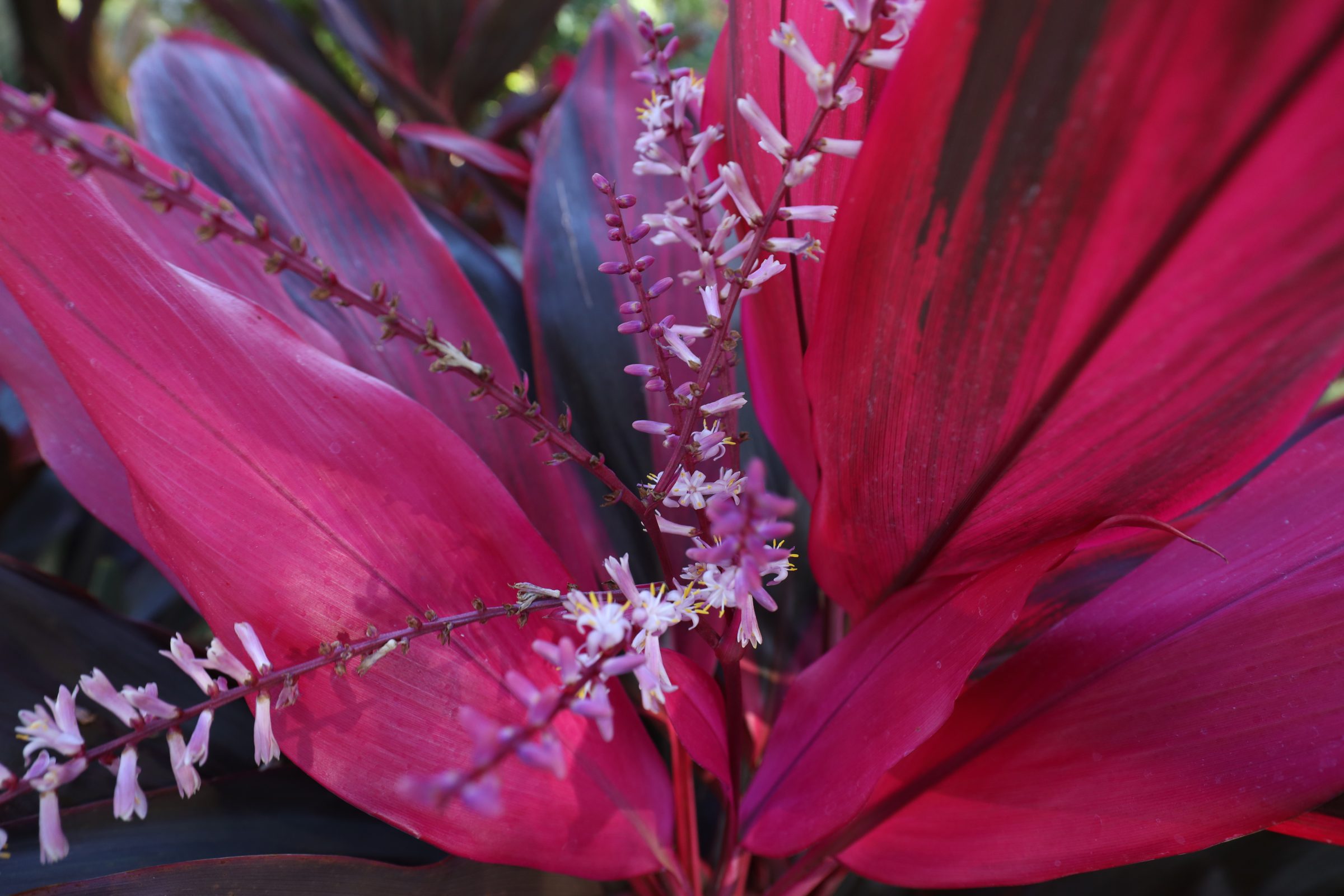
Winter is the best time to study your landscape.
With growth slowed, you can see structure clearly. The “bones” of the landscape—spacing, form, drainage, and light—become obvious. Pay attention to:
- Light patterns: Winter sun angles reveal areas that may be shaded seasonally.
- Water movement: Cooler weather makes drainage patterns easier to observe.
- Plant performance: Note which species tolerate winter well and which struggle.
- Wildlife activity: Dormant landscapes often provide valuable shelter and food.
This observation phase gathers information you can’t get during peak growth. It turns winter into a planning advantage rather than a visual disappointment.
Closing Thoughts
It takes confidence to look at a dormant landscape and see preparation instead of failure. It takes restraint to let plants rest when everything in you wants to intervene. Your landscape isn’t declining—it’s conserving. It’s storing energy, strengthening roots, and waiting for the environmental signals that say it’s safe to grow again.
By respecting Florida winter dormancy, you avoid the common trap of loving plants to death with poorly timed care. Winter is a pause, not a problem. And landscapes that are allowed to move through it naturally tend to respond more predictably when growth resumes.
Until then, trust the biology. The growth will return when the timing is right.
You must be logged in to post a comment.