What You Should Fix Now vs What Can Wait Until Spring
Fix now vs wait until spring decisions can be difficult in Florida landscapes when winter exposes problems that were hidden during the growing season. As growth slows and some plants enter dormancy, issues that were once hidden by summer foliage become more visible. Bare soil, thinning lawns, and exposed branches can make it feel as though problems are accumulating all at once. The instinct to correct everything immediately is understandable—but it is rarely the most effective approach.
Experienced practitioners approach winter differently. Rather than reacting to every visible imperfection, they use this quieter season to distinguish between issues that affect long-term performance and those that are simply seasonal in appearance. The difference matters. Knowing what deserves attention now—and what is better addressed once active growth resumes—protects both the landscape and the investment behind it.
Structural Issues vs Aesthetic Issues
One of the most important distinctions in winter landscape decision-making is between structural issues and aesthetic ones. Structural issues affect how the landscape functions over time. Aesthetic issues affect how it looks in a given moment. Confusing the two often leads to unnecessary work while more consequential problems are left unresolved.
Structural issues involve the underlying systems that support plant health and site stability. These include soil erosion, drainage failures, compromised tree structure, or hardscape elements that are shifting or deteriorating. Left unaddressed, these problems tend to compound. Water continues to move where it shouldn’t, roots remain stressed, and minor failures become major repairs.
Aesthetic issues, by contrast, are often seasonal expressions rather than indicators of decline. Dormant turf, leaf drop, frost-damaged foliage, or sparse plant canopies may look concerning in winter but are frequently part of a normal biological cycle. In many cases, these conditions improve on their own once temperatures rise and growth resumes.
Winter frustration often comes from treating aesthetic signals as structural failures. Doing so leads to work that feels productive in the moment but delivers little lasting benefit.
Soil, Drainage, and Protection First
Winter is one of the most useful times to evaluate the foundational systems of a landscape. With less foliage in the way and slower biological activity, conditions below the surface become easier to observe and assess.
Soil behavior matters more in winter than surface appearance. Compaction, erosion, and poor drainage are easier to identify when plant growth is minimal and rainfall patterns are more visible. Areas that remain saturated after storms, slopes that slowly lose material, or planting zones that consistently dry too quickly all reveal constraints that influence future success.
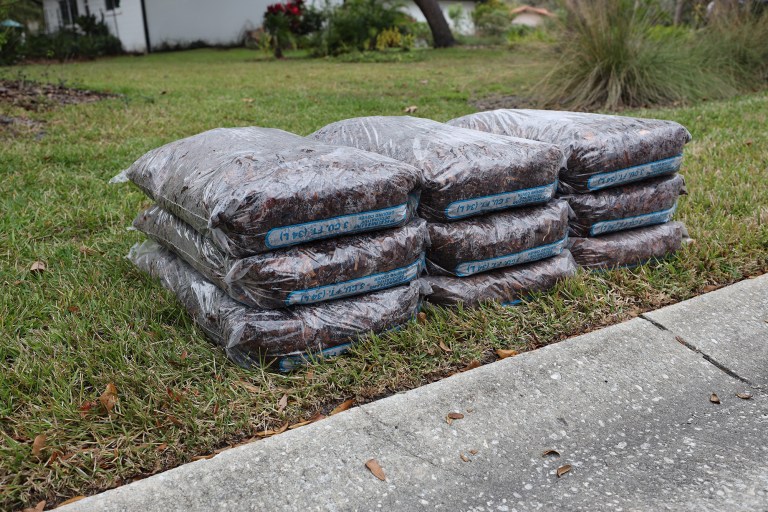
Protection is equally important. Mulch coverage, root insulation, and wind exposure play a larger role when plants are conserving energy. Addressing these underlying conditions supports long-term stability without asking plants to respond actively during a period when they are biologically inclined to rest.
Focusing on these elements first aligns effort with the season. It improves outcomes without forcing growth or creating unnecessary stress.
What Winter Reveals Clearly
The reduced growth of winter brings clarity. Without dense foliage, the structure of the landscape becomes more legible, allowing patterns to emerge that are easy to miss during peak growth.
Drainage is one of the clearest examples. Winter rain events often reveal where water naturally flows, pools, or exits a property. Observing these patterns provides valuable information about grading, soil permeability, and the suitability of certain planting areas.
Tree and shrub structure is also easier to evaluate. With leaves gone from deciduous species and growth slowed elsewhere, weak branch attachments, imbalanced canopies, and previously hidden defects become visible. This perspective supports better long-term decisions, even if corrective action is deferred.
Winter does not create these conditions—it simply removes the distractions that normally hide them.
What Spring Fixes More Easily
Many of the concerns that stand out in winter resolve more predictably once active growth resumes. Issues tied to fullness, color, and density are often better addressed when plants have the energy to respond.
Lawns that appear thin or discolored in winter frequently rebound as soil temperatures rise. Shrubs that look sparse often refill naturally once new growth begins. Even cosmetic gaps in planting beds are easier to correct when roots can establish quickly and recover from disturbance.
Spring growth provides biological momentum. Interventions made during that period tend to produce clearer results with less risk, because plants are physiologically prepared to respond. Waiting in these cases is not neglect—it is sequencing.
Prioritizing Without Overworking
Effective winter landscape management is not about inactivity; it is about selectivity. The goal is to focus attention where it protects performance while allowing seasonal processes to do their work elsewhere. Looking at landscape decisions through a priority lens helps clarify which actions actually matter in winter.
Rather than reacting to every visible issue, experienced practitioners weigh risk, permanence, and timing. Problems that threaten safety, stability, or long-term health merit attention. Conditions that are seasonal and self-correcting do not require immediate intervention.
This approach reduces wasted effort and prevents the cycle of correcting the same cosmetic issues year after year. It replaces anxiety with a clear sense of order and intention.
Closing Guidance
Winter landscape management is ultimately about sequencing, not speed. A healthy Florida landscape is shaped by understanding when intervention supports long-term performance and when restraint produces better results. Knowing what not to fix yet is part of doing it right.
By separating structural concerns from seasonal appearance, prioritizing soil and protection, and allowing spring growth to handle what it does best, homeowners position their landscapes for a stronger, more predictable recovery. The work that matters most is often quiet, deliberate, and timed to the rhythm of the environment—not the calendar.