

Does Pine Bark Mulch Attract Roaches in Florida?
Does Pine Bark Mulch Attract Roaches in Florida?
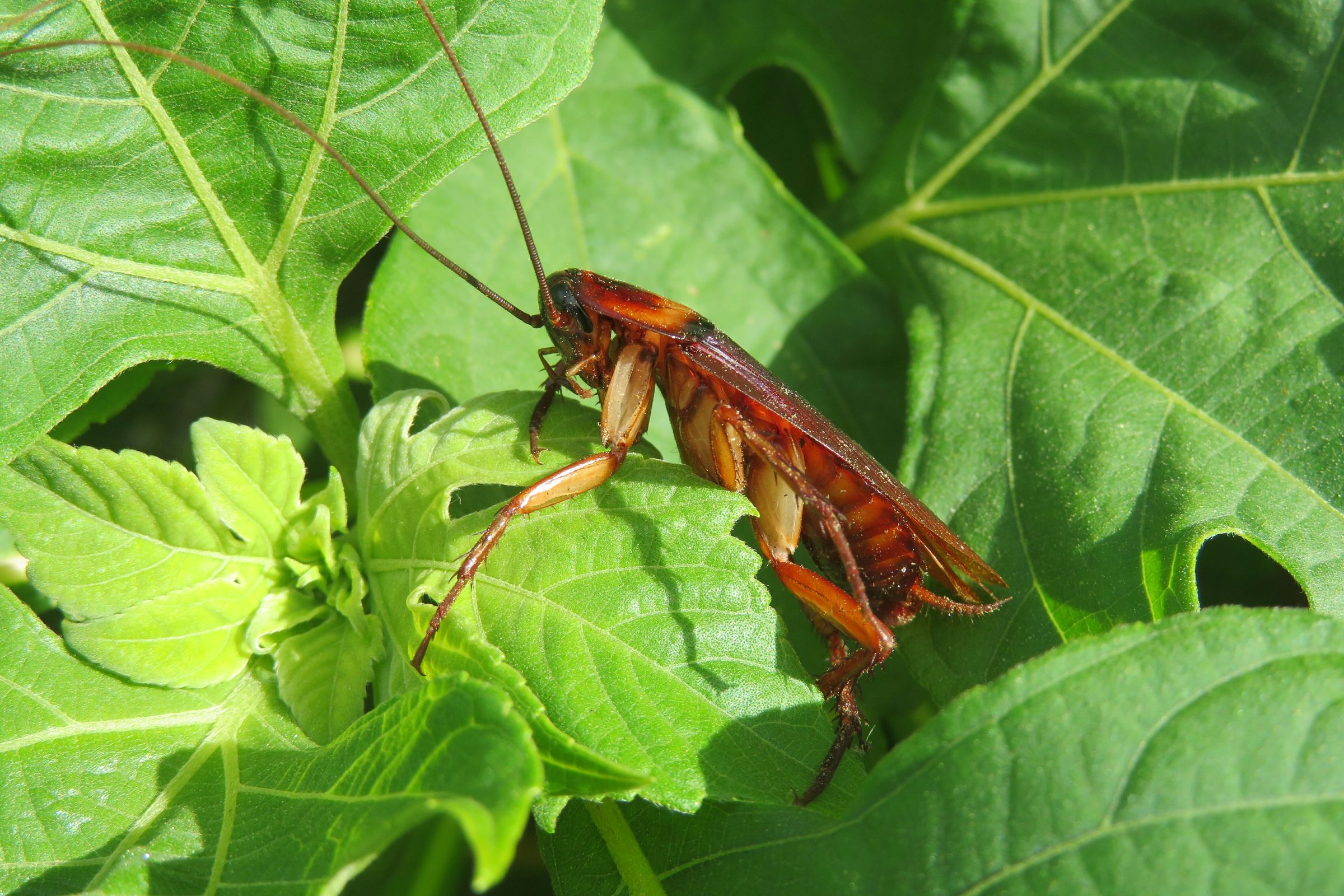
Short answer? No.
Longer answer? Pine bark doesn’t attract roaches — but certain mulch conditions can make them comfortable.
And that’s an important difference.
Pine bark mulch does not attract roaches in Florida — moisture and shelter do.
In Florida, especially in Zones 9B–10A, cockroaches are already part of the outdoor ecosystem. They live in soil, leaf litter, woodlines, and anywhere there’s moisture and organic matter. When someone sees roaches in a mulch bed, it’s easy to assume the mulch caused it.
But mulch isn’t a magnet.
It’s habitat.
What Roaches Actually Care About
Outdoor roaches aren’t picky about pine bark vs. hardwood vs. shredded anything. What they respond to is:
- Moisture
- Shade
- Shelter
- Stable temperature
Mulch can provide those things — especially if it stays damp.
In Florida’s humidity, if a mulch bed is watered heavily or sits against the foundation and never really dries out, it creates a cool, buffered microclimate. That’s attractive to a lot of insects, not just roaches.
It’s not about bark species. It’s about environmental conditions.
What Kind of Roach Are You Actually Seeing?
This part matters.
Most of the roaches people see in Florida mulch beds are outdoor species, not indoor infestation types like German cockroaches.
Common yard species include:
- American cockroach
- Smokybrown cockroach
- Florida woods cockroach (often called the “Florida cockroach” or “palmetto bug”)
The Florida woods cockroach in particular is extremely common in mulch, leaf litter, wood piles, and natural debris. It’s part of the outdoor decomposition cycle.
UF/IFAS has a helpful breakdown of common Florida yard roaches here.
The key takeaway: these roaches already exist in your landscape. Mulch doesn’t introduce them. It simply resembles the natural environment they prefer.
If you removed the mulch entirely, they wouldn’t disappear — they would relocate to another shaded, moist area on the property.
Where Risk Actually Increases
If roaches are getting too close to the house, the real conversation isn’t about pine bark. It’s about moisture and proximity.
Risk increases when:
- Mulch is piled directly against siding
- Very deep mulch layers stay constantly wet
- Irrigation sprays repeatedly at the foundation
- Drainage traps water at grade
- Organic debris builds up over time
That combination creates a damp corridor toward the structure.
That’s not a pine bark issue. That’s a moisture management issue.
Don’t Narrow Your Choices Over a Myth
Pine bark mulch is not inherently worse for pest pressure than other organic mulches.
If you like the look, performance, and soil benefits — there’s no reason to rule it out over roach concerns.
Installed properly, with correct depth and airflow, pine bark functions exactly as it should.
If you’re considering pine bark mulch for your landscape, we provide bulk delivery along with install guidance so it performs the way it’s intended.
👉 View Pine Bark Options & Delivery Information Here
And if you want to go deeper on proper mulch depth, moisture management, or Florida landscape best practices, explore our Learning Center Guides for science-based guides on mulching and other Florida-specific landscaping topics.
👉 Visit the Pennate Guides
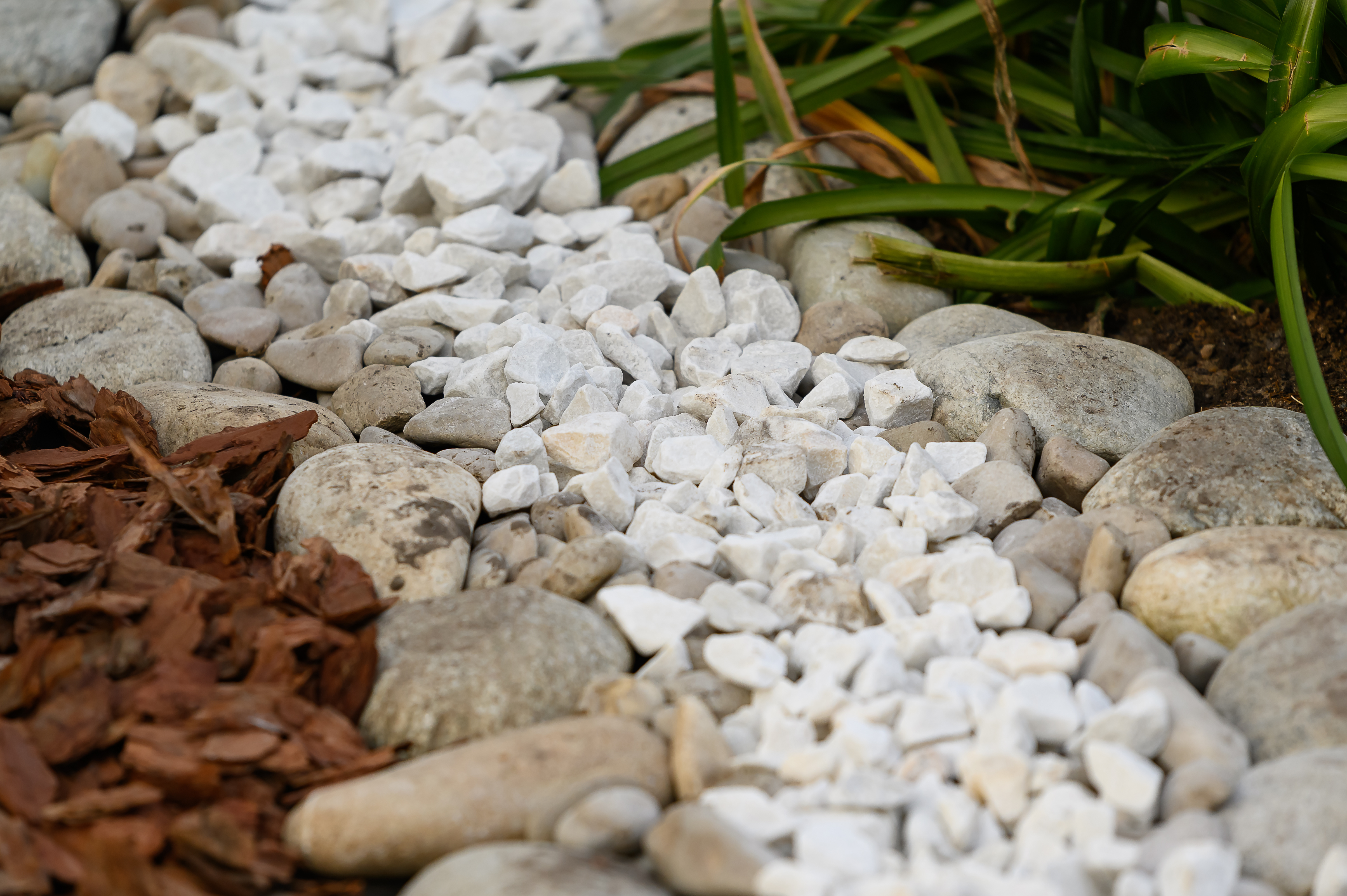
And if you’re weighing pine bark against rock because of pest concerns, we’ve written a breakdown of how organic mulch and decorative rock actually perform in Florida landscapes — including heat, drainage, soil health, and maintenance tradeoffs.
👉 Read: Rock vs. Mulch in Florida Landscapes — What Actually Matters
You must be logged in to post a comment.