Crotons in Florida: Care, Varieties, Placement & Growing Guide
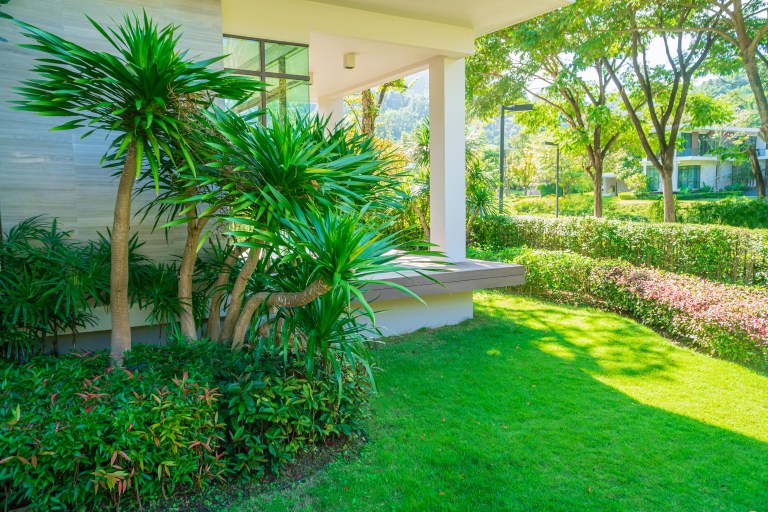
Crotons in Florida are a bold, colorful mainstay of tropical landscape design.
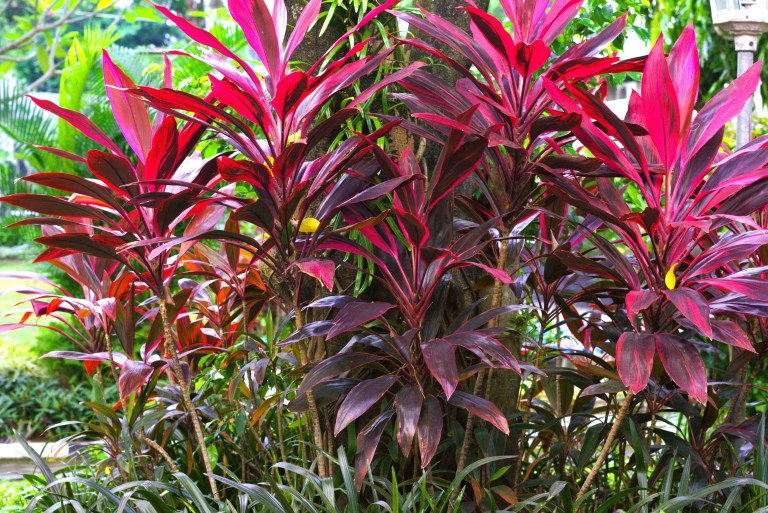
There’s nothing shy about crotons. These bold, broad-leaved shrubs don’t fade into the background—they jump out of it. With colors that range from stop-sign red to lemon-drop yellow and the structural presence of a sculpture garden, crotons are one of the best tools in our landscape toolbox for creating instant tropical impact.
But here’s the thing: to get those electric colors and strong growth, you have to treat them right. And like any plant worth growing, crotons have opinions. This guide walks you through everything you need to know—where they come from, how to use them, how to keep them thriving in Florida’s climate, and even how to multiply them once you fall in love (spoiler: you will).
Table of Contents
- Meet the Croton: Florida’s Foliage Showstopper
- Croton Varieties: From Fireworks to Finesse
- Getting the Light Right: Where Crotons Thrive
- Florida-Specific Placement
- Seasonal Croton Care in Florida
- How Fast Do Crotons Grow?
- Soil & Fertilizer Recommendations
- A Note on Irrigation
- Pests & Problem Management
- Salt & Wind Considerations
- Croton Facts You Probably Didn’t Know
- How to Propagate Crotons
- A Quick Note on Accuracy
- Final Thoughts: Design Boldly, Adjust Thoughtfully
Meet the Croton: Florida’s Foliage Showstopper
Crotons are evergreen tropical shrubs in the spurge family (Euphorbiaceae), native to parts of Southeast Asia and the Pacific Islands. In the wild, they can grow over 10 feet tall. In Florida yards, they usually top out between 3 and 6 feet—especially when pruned or grown in containers.
They’re known for their leathery, colorful leaves that come in a wild range of shapes:
- Long and narrow like blades of grass
- Broad and oval like rubber tree leaves
- Lobed like oak leaves
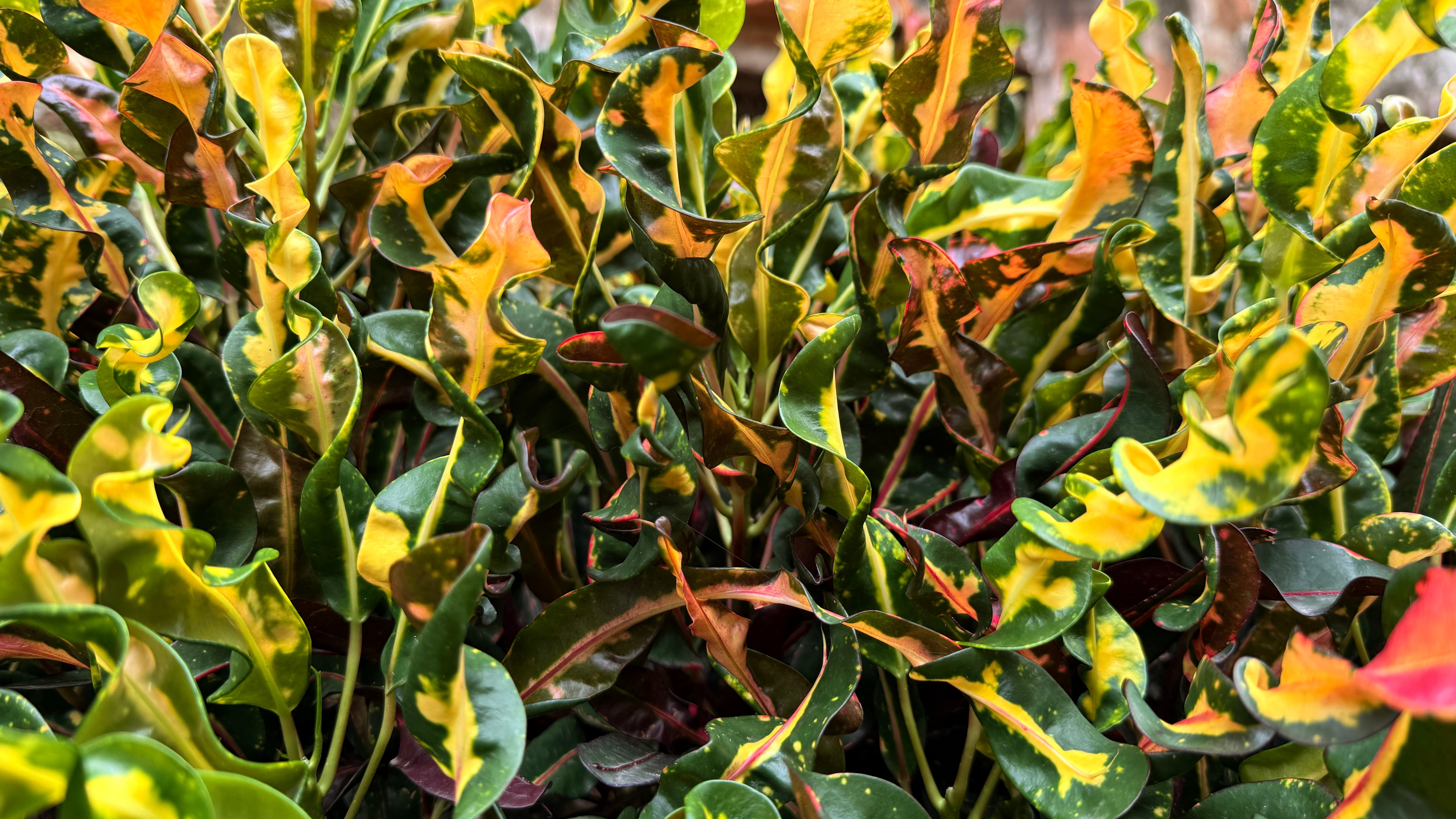
- Twisted like botanical pasta
Each variety looks like its own species, but they’re all cultivars of Codiaeum variegatum.
Not to be confused with: There’s also a genus called Croton—same family, totally different plants. Stick with Codiaeum if you’re after color.
Croton Varieties: From Fireworks to Finesse
Crotons in Florida are a masterclass in variation. One plant species—Codiaeum variegatum—has been cultivated into hundreds of distinct types, each with its own leaf shape, size, and personality. That’s what makes them so interesting to design with: they bring structure and color, often in combinations you didn’t even know nature could do.
Here are some of our favorites—each linked to a soon-to-be-available product listing in our plant catalog:
Bold & Bright
- Petra – Probably the most recognized croton out there. Large, oval-shaped leaves splashed with red, gold, and green. Bold and classic.
- Magnificent – Big leaves covered in rainbow blotches like someone painted them with confetti. Excellent for large backdrops or high-contrast hedges.
- Red Iceton – New leaves emerge in pinks and yellows and mature into deep burgundy. A showstopper that shifts with age and sun.
Twisted, Spiraled, Sculptural
- Mammy – Twisted, compact foliage in bright red and orange. It’s dramatic, tidy, and makes a great container croton.
- Dreadlocks – Narrow leaves that curl like ribbons. Great for contrast and architectural weirdness (the good kind).
Finer Texture & Subtle Color
- Gold Dust – Small green leaves splashed with yellow flecks. Looks good massed, and pairs well with coarse textures like agave or palms.
- Zanzibar – Long, grasslike leaves in multicolor tones. Great movement and a lighter touch in a croton-heavy planting.
- Eleanor Roosevelt – Narrow leaves with delicate yellow speckling. Airy and understated—if that’s even possible for a croton.
Seasonal-Looking & Structured
- Oakleaf – Deeply lobed leaves reminiscent of autumn oak trees. Warm, rusty tones make it feel more “woodland tropical.”
No two crotons grow exactly alike. Some stay compact, others stretch tall. Some keep their color in part shade, others need direct sun to shine. That’s why we group them by habit and use case—so you’re not just planting for color, but for how they’ll perform in real landscapes.
Light & Placement Strategy
Getting the Light Right: Where Crotons Thrive (and Where They Don’t)
Here’s the most important thing you need to know about crotons and sunlight: the more sun they get, the better their color—up to a point. If your croton looks green and tired instead of loud and electric, odds are it’s not getting enough light.
But not all varieties want the exact same treatment.
Full Sun Lovers
These varieties thrive in direct Florida sunshine, especially morning through midday. They’ll show off their brightest reds, oranges, and pinks when planted where they can soak it up.
- Mammy
- Zanzibar
- Red Iceton
Great for:
- Accent planting in open beds
- Pairing with silvery or fine-textured groundcovers
- Containers on the sunny side of a lanai or pool deck
Filtered Light or Partial Shade
Some crotons actually do better with a little cover—especially in hot inland zones where afternoon sun can crisp the leaves.
- Petra
- Oakleaf
- Magnificent (can tolerate more sun once established)
Ideal for:
- Understory planting beneath palms or open-canopy trees
- East-facing walls and filtered shade beds
- Mixed borders where shade shifts throughout the day
Dappled Light or Morning Sun
A few varieties will hold their color in light shade, but they won’t pop like their sun-drenched cousins. That said, in the right design, they add depth and interest under taller plants.
- Gold Dust
- Eleanor Roosevelt
- Zanzibar (will grow but with subtler tones)
Pennate Tip:
Crotons planted in too much shade will:
- Lose their signature color
- Get leggy and sparse
- Blend in instead of stand out
If you’re after structure and color, start with sunlight, not just where there’s an empty spot in the yard. Think of light as the paintbrush crotons need to do their job.
Florida-Specific Placement: How to Help Crotons Thrive in Your Landscape
Florida gives you the climate for crotons—but not every planting bed is equal. Between scorching sun, salty breezes, builder-grade soil, and sudden cold snaps, knowing where to place your crotons can make the difference between a landscape centerpiece and a leggy mess.
Here’s how we think about it at Pennate.
Spacing & Layout
Crotons can range from 2 feet tall to over 6, depending on the variety and conditions. Here’s how to give them the room they need:
- Compact varieties (like Mammy or Dreadlocks): space 18–24 inches apart
- Medium to large types (like Petra or Magnificent): give them 30–36 inches
- In mass plantings or hedges: tighter spacing = more structure, looser spacing = more breathing room
Want a croton hedge? Use one variety and plant tight. Want a wild tapestry of color? Mix types, stagger spacing, and step back to appreciate the texture shift.
Microclimates Matter
Florida has zones—but your yard has microclimates. A few degrees or hours of sun make a big difference.
Here’s where crotons do best:
- Next to warm structures (south- or west-facing walls)
Gives them thermal mass in winter and boosts color - Behind palms or fences
Blocks cold north wind and creates filtered light - Under taller canopy trees (but not dense shade)
Especially helpful in newer developments where everything is sun-blasted
Think like a plant. Ask: Will I get enough light here, but still have protection when the weather turns?
In-Ground vs. Containers
| Feature | In-Ground | Containers |
|---|---|---|
| Pros | Larger size, stronger root system | Mobile in cold, flexible placement |
| Cons | Less protection from frost | Dries out faster, limited growth |
| Best For | Permanent beds & hedges | Lanais, patios, zone 9B protection |
In cooler parts of Central Florida, we often recommend container crotons for year-round control—especially on patios or near entrances where color pops.
Avoid These Traps
Seasonal Croton Care in Florida
What to do (and what not to do) depending on the time of year
Florida may not have four classic seasons, but your crotons still follow a rhythm—growing, pausing, bouncing back, and sometimes throwing a little drama in the mix. Whether they’re in the ground or in containers, here’s how to keep them healthy year-round.
Spring (March–May): Reset and Restart
Once night temps settle above 60°F, crotons wake up fast. This is when you prep them for a strong growing season.
- Prune cold damage once you see new growth (don’t guess—wait for buds)
- Apply slow-release fertilizer with micronutrients (8-4-12 is ideal)
- Water regularly as temps climb, especially if rain hasn’t returned
- Inspect for pests—spider mites and mealybugs love the soft new growth
Spring is like hitting the refresh button. Clean them up, feed them well, and they’ll reward you with a strong flush of color.
Summer (June–August): Growth & Glory (and a Little Stress)
Crotons love the heat and humidity—but only if their roots stay happy. This is peak foliage season—and also when neglect can show the fastest.
- Water deeply 2–3× a week if it’s not raining (especially in sandy soils or containers)
- Mulch around the base to retain moisture and buffer root heat
- Optional: use a liquid foliar spray once a month for richer color
- Pinch or trim leggy stems to promote fullness
Watch for quick changes: leaves that droop, curl, or fade might be signaling water stress—or a pest wave.
Fall (September–November): Taper and Prepare
Crotons won’t go fully dormant, but they will start to slow down. Now’s your chance to prepare them for cooler months ahead.
- Cut back on fertilizer by mid-October
- Clean up leaf litter and check for fungal spots or scale insects
- Plan winter protection—especially for container plants or exposed beds
- Wrap up any new plantings by early November so roots can settle
Don’t let warm afternoons fool you—overnight lows in fall matter more than you think. Plan ahead.
Winter (December–February): Protect and Wait
Cold is croton kryptonite. They’ll show their displeasure with leaf drop, leaf burn, or going fully bare. That doesn’t mean they’re dead.
- Use frost cloth if temps drop below 45°F
- Move containers into protected areas like garages or screened lanais
- Do not fertilize or prune—let them rest
- Be patient: even bare crotons often re-sprout in spring
Rule of thumb: if the stem is still green under the bark, the plant is still alive. Hold off on drastic decisions.
Spring is when crotons decide how showy they’re going to be. Set them up for success early.
Want to combine crotons with complementary hues? See Pennate’s Color Theory for Landscapes for inspiration.
See our Florida Cold Event Survival Guide →
Zone-Based Quick Tip Chart
| USDA Zone | Winter Strategy | Summer Strategy |
|---|---|---|
| 10B–11 | Minimal care needed | Provide afternoon shade if intense heat |
| 10A | Mulch well, monitor for chill | Fertilize monthly, water deeply |
| 9B | Use frost cloths, relocate pots | Partial shade, pinch leggy growth |
| 9A | Best in containers; protect heavily | Use wind blocks and water often |
Sign up for our monthly gardening email and we’ll send you care reminders tailored to the plants in your landscape—including crotons. No fluff. Just useful info, right when you need it.
Get Croton Care Reminders
How Fast Do Crotons Grow? (It Depends on the Variety—and the Care)
Crotons don’t all grow at the same pace. Some stay compact and tidy with almost no help. Others shoot up over time and start looking more like small trees than shrubs. How fast they grow—and how big they get—depends on the variety, sunlight, soil, and how you care for them.
Here’s a breakdown based on what we’ve seen in Florida landscapes:
Quick Reference Chart
| Croton Variety | Growth Speed | Mature Size (In-Ground) |
|---|---|---|
| Mammy | Slow | 2–3 ft (compact, upright) |
| Petra / Magnificent | Moderate | 4–6 ft (bushy with pruning) |
| Gold Dust | Moderate | 3 ft (mounded shape) |
| Red Iceton / Oakleaf | Moderate–Slow | 4–5 ft (larger leaf structure) |
| Dreadlocks | Slow | 2–4 ft (twisted, dense form) |
| Zanzibar | Moderate | 3–4 ft (fine-leafed, airy) |
What Affects Growth Rate?
- Sunlight: More sun = more growth (up to a point). Deep shade slows them down.
- Water & Soil: Crotons need steady moisture in well-draining soil to grow consistently. Poor soil or drought sets them back.
- Cold Weather: Growth basically pauses below 65°F and can reverse with frost damage.
- Pruning: Strategic cuts encourage branching and fullness—especially after winter.
What If You Want a Faster Fill-In?
Choose mid-size varieties like Petra or Magnificent. They’re strong growers with dense structure and recover quickly from pruning. Use a balanced soil blend and mulch well, and you’ll get lush color by the second growing season—even from 3-gallon starters.
Want a slow, tidy container croton? Mammy or Dreadlocks are your friends.
Want a bold hedge or backdrop? Start with Petra or Red Iceton and space them intentionally.
Soil & Fertilizer Recommendations
How to give crotons the foundation they actually want
If crotons could talk, they’d probably say: “Keep my roots warm, damp, and breathing—but don’t drown me.” Getting the soil right is one of the most overlooked parts of croton care, especially in Florida where “dirt” means very different things depending on where you dig.
Let’s start with what’s under your feet.
The Two Soils You’re Likely Dealing With
1. Native Florida Sand
Most older neighborhoods and undeveloped lots are built on nearly pure sand. It drains fast and holds very little nutrition. Crotons will survive here—but they’ll need help holding water and feeding themselves.
2. Builder Fill (Compacted Clay or Mix)
If you’re in a newer development, chances are you’ve got something that looks like dirt but behaves like wet concrete. Contractors bring in compacted clay or crushed limestone to level yards and support structures. It holds water too well, lacks oxygen, and can suffocate root systems without amendment.
Think of builder fill like drywall for your yard—it works for structure, but not for plant life.
What Crotons Actually Want in Soil
Crotons thrive in slightly acidic, rich, well-aerated soil. They want:
- Moisture that doesn’t puddle
- Air space around roots
- Organic matter for slow nutrition
Here’s our recommended in-ground planting blend:
- 50% existing site soil (whatever you dig up)
- 25% pine bark fines (chunky texture = air flow)
- 15% perlite or expanded shale (for drainage)
- 10% compost (Black Kow, mushroom compost, ZooGro)
For containers:
- 60% high-quality potting mix (no cheap fillers)
- 30% pine bark
- 10% perlite or pumice
Avoid peat-heavy mixes unless you’re able to keep moisture perfectly dialed in—peat can go from soggy to bone-dry fast.
Feeding Crotons the Right Way
Crotons are foliage-first, so they need consistent nutrition—but not too much of the wrong thing.
Use:
- 8-4-12 slow-release fertilizer with micronutrients
(We like Lesco Palm & Ornamental or Sunniland Shrub & Ornamental) - Apply 3× per year: early spring, midsummer, early fall
- For an extra boost, use a liquid foliar spray (like Southern Ag Iron or seaweed emulsion) monthly during the growing season
Avoid:
- High-nitrogen lawn fertilizers (e.g., 24-0-11)—they’ll make the plant grow fast and leggy, but with less color
- Cheap topsoil blends labeled “Florida Topsoil”—they often contain sand and organic debris with no real structure
A Note on Irrigation (Without Opening the Rabbit Hole)
If you’re like most of our clients, your crotons are already part of a larger irrigation system—either spray heads or drip lines.
The key?
Crotons need consistent moisture—but not soggy feet. So whatever your setup is, it needs to check two boxes:
- Deep, even watering
They prefer soil that stays moist but drains quickly. If your crotons are drying out between cycles or getting hit with overspray that puddles at the base, something’s off. - Seasonal adjustment
In summer, they’ll drink like college freshmen. In winter, they go quiet. Adjust your timers—or get a smart controller that does it for you.
We’ll dive deeper into drip vs. spray, root-zone efficiency, and how to audit your zones in a separate irrigation post. Because yes, that topic deserves a rabbit hole of its own..
Pests & Problem Management
Crotons aren’t fragile—but even the tough guys get bothered sometimes.
Crotons are generally low-maintenance and fairly pest-resistant in the Florida landscape. But when things go sideways—usually due to stress, overwatering, or a sudden temperature drop—they can attract some unwanted attention.
Here’s what to watch for and how to handle it without creating more problems.
Spider Mites
The most common croton pest. They love heat, low humidity, and dusty leaves—aka your patio in June.
Signs:
- Leaves look dull or speckled
- Fine webbing under leaves or at joints
- Undersides feel rough or dry to the touch
Fix:
- Rinse the plant with a firm spray of water
- Follow up with neem oil or insecticidal soap every 7–10 days
- Increase humidity if indoors
Mealybugs & Scale
These show up more often on crotons grown in containers or overly shaded, stressed conditions.
Signs:
- Mealybugs = fuzzy white clusters around stems and leaf nodes
- Scale = brown, armor-like bumps stuck to stems and undersides
Fix:
- Wipe mealybugs with rubbing alcohol on a cotton swab
- Use neem oil, insecticidal soap, or a systemic product for heavy infestations
- Prune and discard heavily infested branches
Root Rot
Most often caused by poor drainage—not a pathogen. Wet feet + compacted soil = dying roots.
Signs:
- Sudden wilt despite wet soil
- Mushy stems or roots when dug
- Yellowing or falling leaves with no other symptoms
Fix:
- Improve soil drainage
- Replant in amended, well-draining soil
- Remove and destroy infected root material
Leaf Drop or Burn
This isn’t a disease—it’s usually weather shock.
Causes:
- Sudden cold or frost
- Underwatering during heat waves
- Rapid shifts in light (like moving a plant from shade to full sun)
Fix:
- In most cases: do nothing
- Protect from further stress and wait for new growth
- Don’t prune bare stems too soon—wait until spring to see what rebounds
Our Field Rule:
If it’s isolated and not spreading—monitor it.
If it’s affecting more than a third of the plant—act quickly but gently.
Crotons recover well from stress. Just don’t throw everything at them at once.
Salt & Wind Considerations
How to keep crotons looking good when the breeze isn’t friendly.
Crotons are tropical, but they’re not indestructible. Wind and salt exposure—especially near the coast or on open, elevated lots—can dull their color, dry out their leaves, and cause breakage if the plants aren’t protected.
The good news? With a little planning, crotons can hold their own in most Florida microclimates.
Salt Tolerance: Moderate at Best
Crotons can handle salty air—especially if they’re buffered by structures or other plants. But they don’t like direct ocean spray or repeated splash from brackish water.
If your site is close to the Intracoastal or the beach, crotons are best placed on the landward side of a building, behind hedges, or in courtyards.
For ultra-coastal landscapes (like dune-adjacent homes), consider using crotons in containers that can be relocated—or plant hardier, native alternatives like Croton linearis (Pineland croton) as a wind-tolerant substitute.
Wind Protection: Especially in Zones 9B–10A
Cold wind in winter is often more damaging than cold temps alone. In exposed yards, it can strip crotons of leaves—even if the roots survive.
Here’s how to help:
- Place crotons on the south or east sides of structures where they’re protected from cold north/northwest winds
- Use larger palms or clumping bamboos as natural windbreaks
- In containers, move crotons to sheltered spots (covered porches, behind privacy walls) when a cold front’s coming
Even a few degrees of protection makes a huge difference—especially if you’re in the 9B edge zone.
Design Tip:
Wind- and salt-prone landscapes should treat crotons like color accents, not structural anchors. Use them in protected entry beds, around pool cages, or as visual transitions between hardy shrubs and flowering perennials.
Croton Fun Facts (The Interesting Kind)
Crotons may be known for their wild looks, but they’ve got some surprisingly nerdy details hiding under those psychedelic leaves.
Here are a few conversation-worthy facts you can throw around next time someone compliments your landscape.
The Name “Croton” Means… Tick?
Yep. The word “croton” comes from the Greek krotōn, which means “tick.” Why? Because the seeds of some croton species (not the ones in your yard) apparently look like little ticks. It’s a strange legacy—but it stuck.
Their Colors Aren’t Just for Show
Crotons develop red, yellow, orange, and pink pigments in direct sunlight not just to look flashy—but to protect themselves.
These pigments—especially anthocyanins and carotenoids—help:
- Block UV rays
- Reduce leaf damage
- Control water loss
In lower light, they reduce pigment production and focus on green chlorophyll for energy. That’s why crotons in shade lose their color—it’s not personal, it’s just plant logic.
Crotons Do Flower (But Barely)
They send out long, stringy flower spikes with tiny white or pale blossoms—often male and female on the same plant. But unless you’re really looking, you’ll miss it.
Crotons are grown for foliage, not flowers—and they know it.
All These Varieties? One Species.
Every cultivar you’ve seen—from Gold Dust to Mammy to Red Iceton—is still Codiaeum variegatum. That’s the species. The variation comes from decades of propagation, selection, and a little horticultural tinkering.
It’s a great reminder that even when plants look wildly different, they can share the same genetic roots.
How to Propagate Crotons
Want more color for free? Here’s how to grow new plants from the ones you love.
Crotons are surprisingly easy to propagate once you know the basics. Whether you’re filling in a bed, gifting a cutting to a friend, or just like the idea of multiplying your favorite variety, here are two reliable ways to do it.
Method 1: Stem Cuttings (Best for Home Gardeners)
This is the easiest and most common way to grow a new croton.
Here’s what you do:
- Take a 4–6 inch cutting from a healthy stem (not too woody, not brand new)
- Strip off the lower leaves, keeping 2–3 leaves at the top
- Dip the cut end in rooting hormone (optional, but helpful)
- Plant in moist, well-drained potting mix (perlite + peat or bark blend works well)
- Keep warm and humid—indirect light is best
- Be patient: roots can take 4–8 weeks
A plastic bag over the pot can help trap humidity, but make sure to ventilate occasionally so you don’t invite fungus.
Method 2: Air Layering (Best for Larger Plants)
If you want to propagate a croton without removing it from the parent plant, this is your move. It’s also ideal for thicker stems that don’t root easily in soil.
How it works:
- Select a healthy stem and make a shallow cut or peel back a ring of bark
- Wrap the exposed area with damp sphagnum moss
- Cover it with plastic wrap and secure both ends with twist ties or string
- Keep the moss moist for several weeks—roots will grow into it
- Once roots form, cut the stem below the moss and plant your new croton
This method takes longer, but usually results in a larger, stronger starter plant with a head start.
A Quick Note on Accuracy
We’re not a university lab. We don’t wear white coats. But we do dig holes, observe patterns, and adjust when things don’t work. Every croton tip in this guide comes from direct Florida experience, trusted sources (like UF/IFAS and FNGLA), and years of watching what actually survives in real landscapes—not just what looks good on Pinterest.
If something here doesn’t line up with what you’ve seen in your yard, that’s okay. Plants are living things. Conditions vary. And sometimes the croton just decides it’s done with you. That’s gardening.
Where we’ve leaned on anecdotal knowledge, we’ve tried to be transparent. Where the science is clear, we stand behind it.
Final Thoughts: Design Boldly, Adjust Thoughtfully
Crotons are one of the best tools you have when you want structure, color, and a touch of drama. But they’re not automatic. You can’t just plug them in and expect them to thrive. Like anything worth planting, they respond to attention.
That doesn’t mean babying them. It means placing them with intention. Giving them the conditions they need. Being ready to adjust when something’s off.
At Pennate, we work with crotons not because they’re easy—but because they’re interesting. They give you back what you put in. And when they’re set up right, they’ll steal the show every time.
Designing with intention. Adjusting with reality. That’s Pennate.